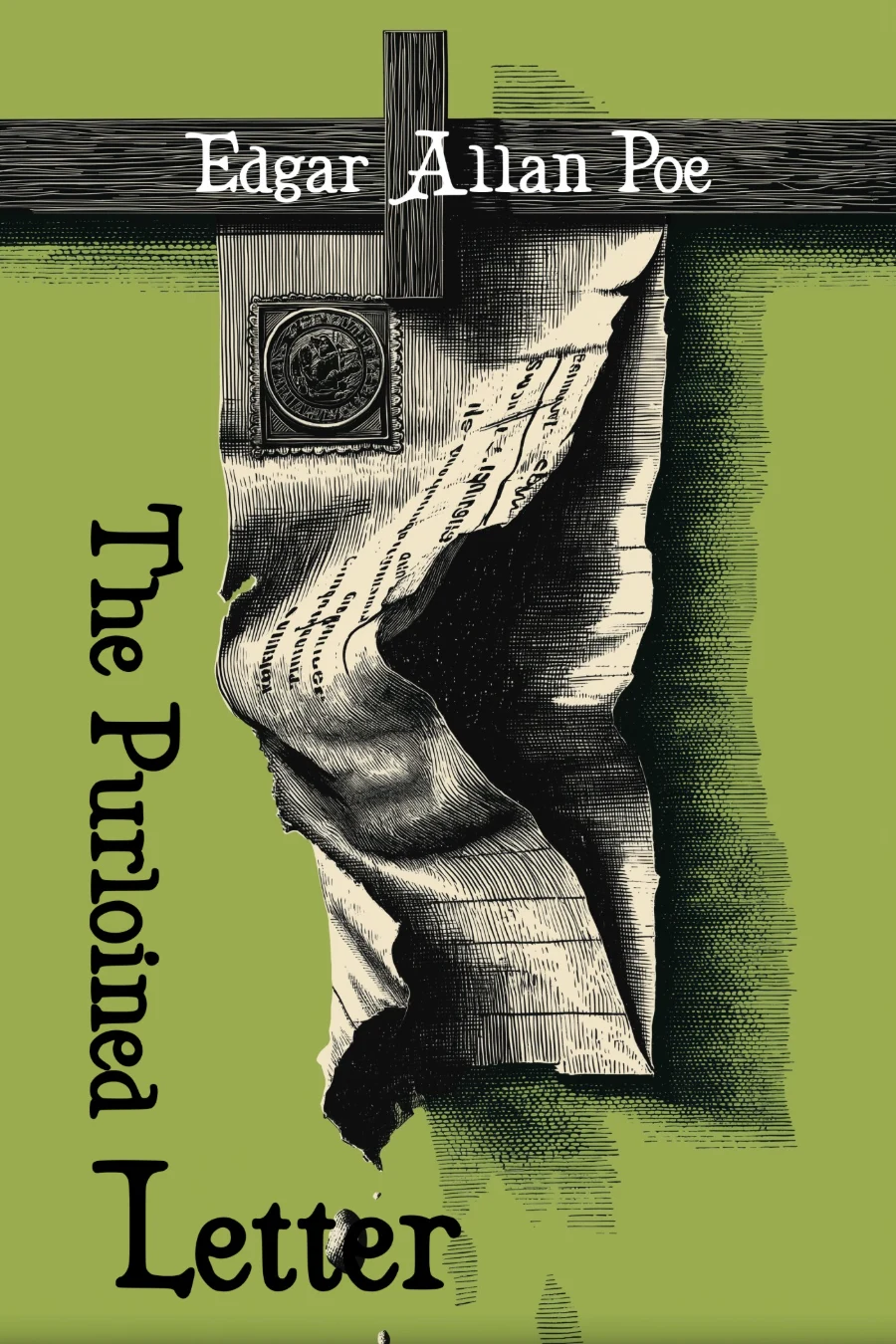
The Purloined Letter
36 min
7,137 words
en
A letter has been stolen from a Parisian royal apartment, and though the identity of the thief is known, the authorities cannot recover it. The letter's contents, if revealed, would bring disgrace and political danger—yet despite exhaustive searches by the police, including dismantling furniture and examining floorboards, the document remains hidden in plain sight. The French Prefect of Police turns once again to C. Auguste Dupin, Poe's brilliant amateur detective, who lounges in his Paris apartment smoking his meerschaum pipe while the desperate official recounts the methodical but fruitless investigation.
Poe constructs his mystery not around discovering who committed the crime, but around the psychology of concealment and detection. The story becomes a meditation on perception itself—how we see only what we expect to see, and how intellectual cunning can outwit both elaborate precautions and systematic thoroughness. Dupin's method relies not on physical evidence but on understanding his adversary's mind, creating a battle of wits between two highly intelligent men who must anticipate each other's thinking. The narrative's drawing-room atmosphere, with its philosophical discussions and armchair reasoning, establishes a template that would influence detective fiction for generations to come.
This deceptively simple tale pioneered what would later be called the locked-room mystery, yet its concerns extend beyond puzzle-solving into questions of power, surveillance, and the nature of obvious truths that remain invisible. The story rewards readers who appreciate psychological insight over action, who find satisfaction in elegant intellectual solutions rather than dramatic revelations. Its brevity contains layers of meaning about games of observation and misdirection that feel remarkably relevant to our age of information hiding in plain sight.
PublisherKafka
LanguageEnglish
Source
short-fiction-edgar-allan-poe