The Murders in the Rue Morgue
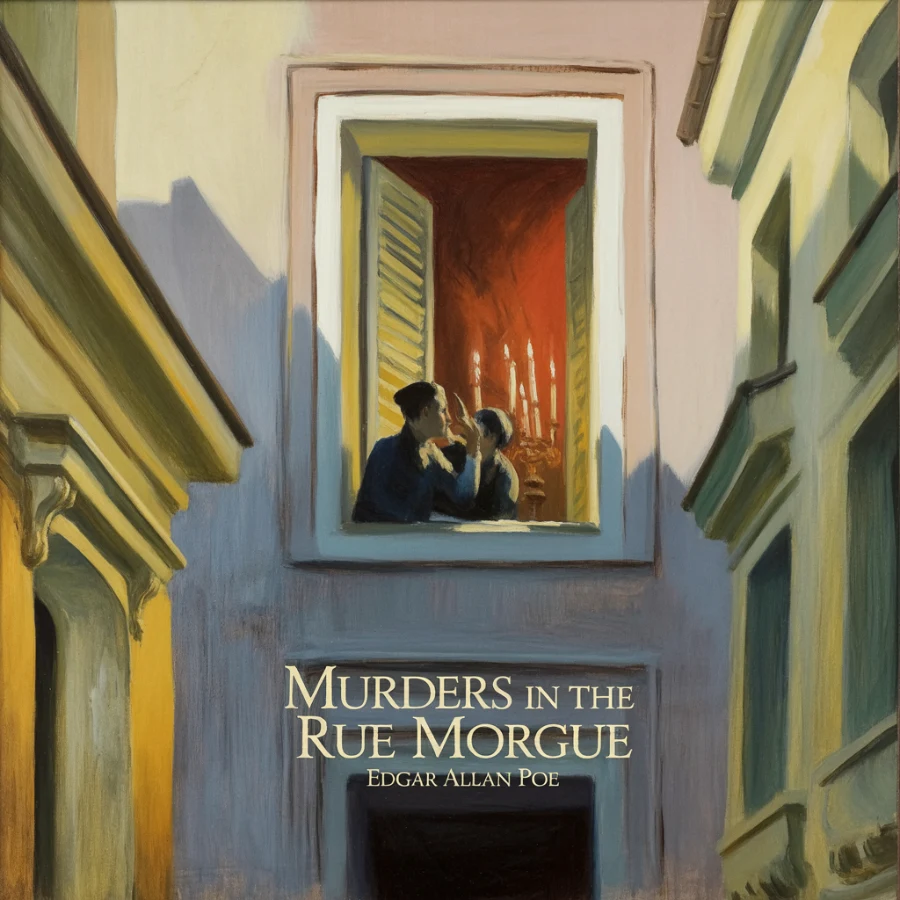
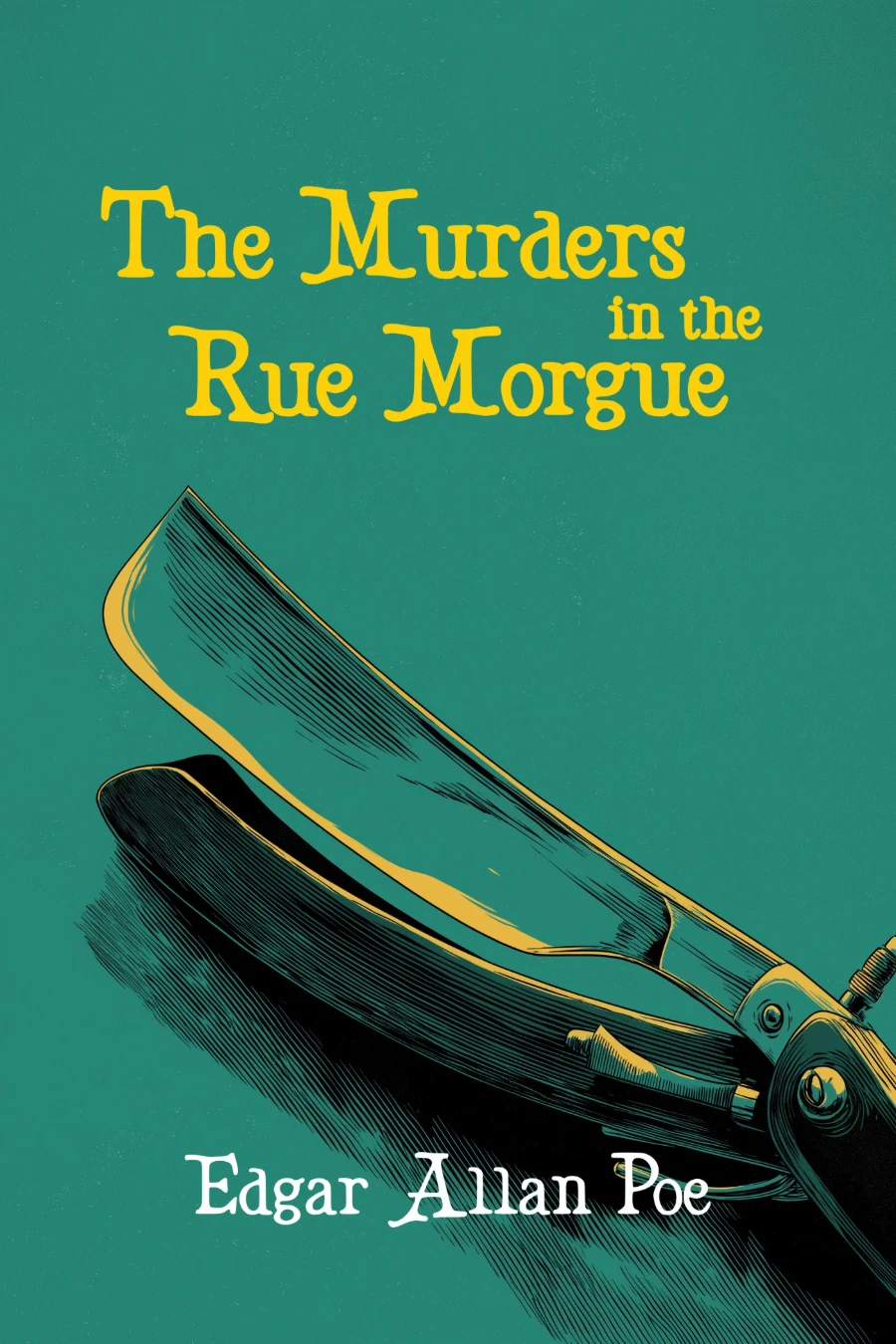
In the narrow, shadowy streets of 1840s Paris, a seemingly impossible crime has been committed. Two women have been brutally murdered in their fourth-floor apartment on the Rue Morgue, their bodies discovered in circumstances so bizarre and violent that the Paris police find themselves utterly baffled. The room was locked from the inside. Witnesses heard voices—one French, one unidentifiable—yet no one was found at the scene. As confusion mounts and an innocent man faces arrest, an amateur analyst named C. Auguste Dupin becomes intrigued by the contradictions in the evidence.
Poe constructs this tale as a intellectual puzzle that unfolds through cold logic and systematic observation. Dupin, with his peculiar gift for penetrating the surface of things, approaches the mystery not with policework but with what he calls "ratiocination"—a method of pure analytical reasoning that seems almost supernatural in its precision. The narrative dwells in a atmosphere of Gothic unease, where gaslit rooms and ancient architecture provide the backdrop for something that violates the boundaries of the expected. Yet even as the story trades in darkness and dread, its architecture is crystalline: each detail, however grotesque, becomes a piece of evidence demanding interpretation.
This story introduces techniques and tropes that would define detective fiction for generations to come: the brilliant eccentric investigator, the admiring companion who narrates, the bumbling official police, the locked-room mystery, and the climactic revelation where scattered clues snap into terrifying coherence. It rewards readers who relish the pleasure of watching a keen mind at work, who appreciate how the fantastic and the analytical can intertwine, and who understand that the first of anything carries a strange, raw power that later refinements can never quite recapture.