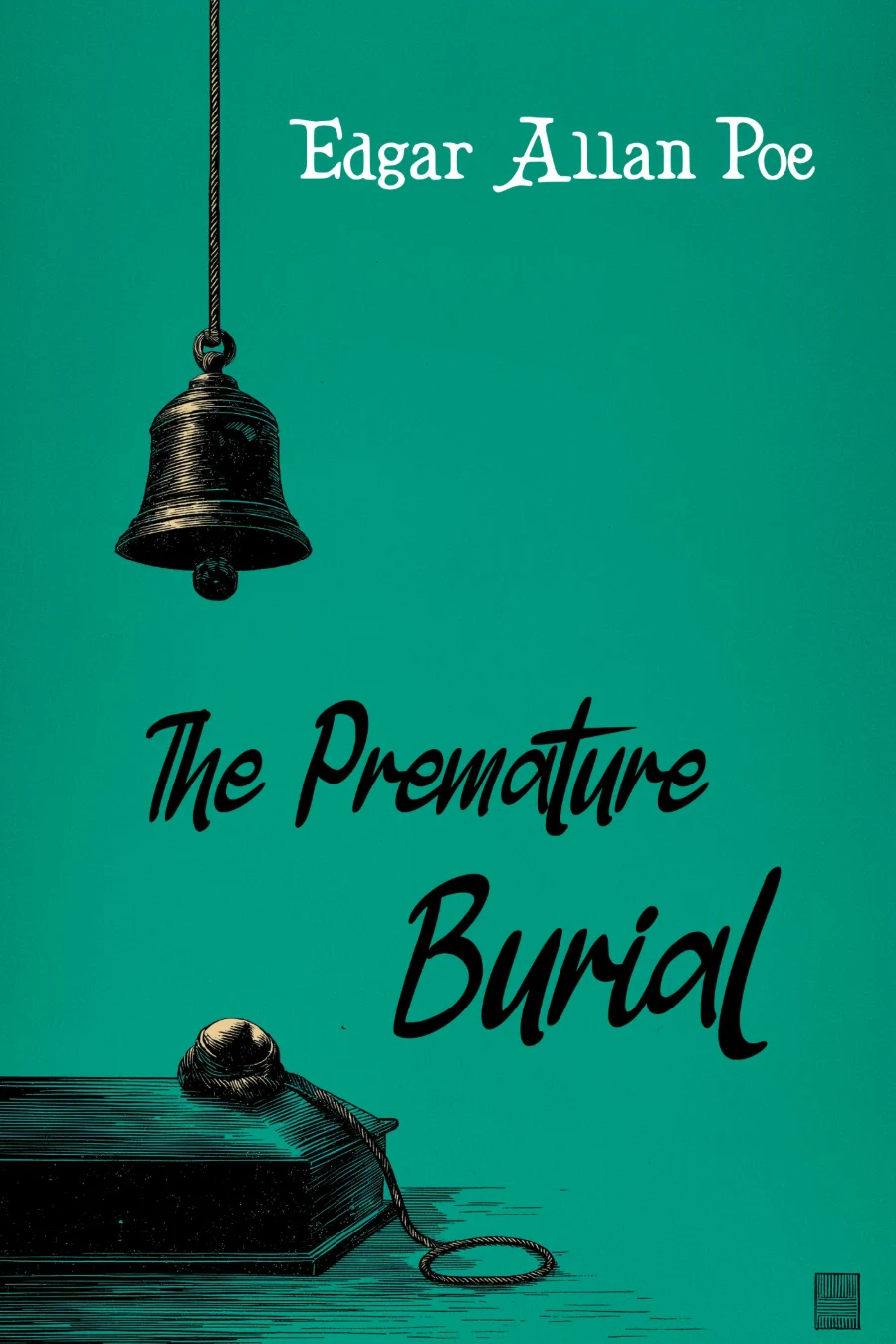
The Premature Burial
28 min
5,459 words
en
There are fates we fear more than death itself, and for the narrator of this tale, nothing inspires greater dread than the possibility of being buried alive while in a death-like trance. Opening with a clinical exploration of catalepsy and the documented cases of premature interment, Poe establishes an atmosphere of creeping medical horror that was all too plausible in an era before modern embalming practices. The narrator confesses his own obsessive terror of this specific doom, a fixation so consuming that it has begun to reshape every aspect of his existence.
What begins as seemingly rational concern—supported by newspaper accounts and historical anecdotes—gradually reveals itself as something more psychologically complex. Poe masterfully blurs the line between justified caution and debilitating phobia, between empirical evidence and fevered imagination. The prose shifts between measured, encyclopedic recitation of burial horror stories and the increasingly frantic voice of a man who cannot escape his own mind. Each tale-within-the-tale tightens the psychological vise, demonstrating how fear itself can become a kind of premature burial, walling us off from life even as we desperately try to protect it.
This story represents Poe at his most psychologically astute, exploring the peculiar human tendency to dwell on specific modes of suffering until the anticipation becomes worse than any reality. The work speaks to anyone who has felt rational concern calcify into irrational terror, or watched a legitimate worry metastasize into something that controls rather than protects. It rewards readers interested in the Gothic tradition's engagement with medical anxiety, the unreliable narrator as a vehicle for exploring consciousness, and the question of whether our defenses against catastrophe might themselves become catastrophic.
PublisherKafka
LanguageEnglish
Source
short-fiction-edgar-allan-poe