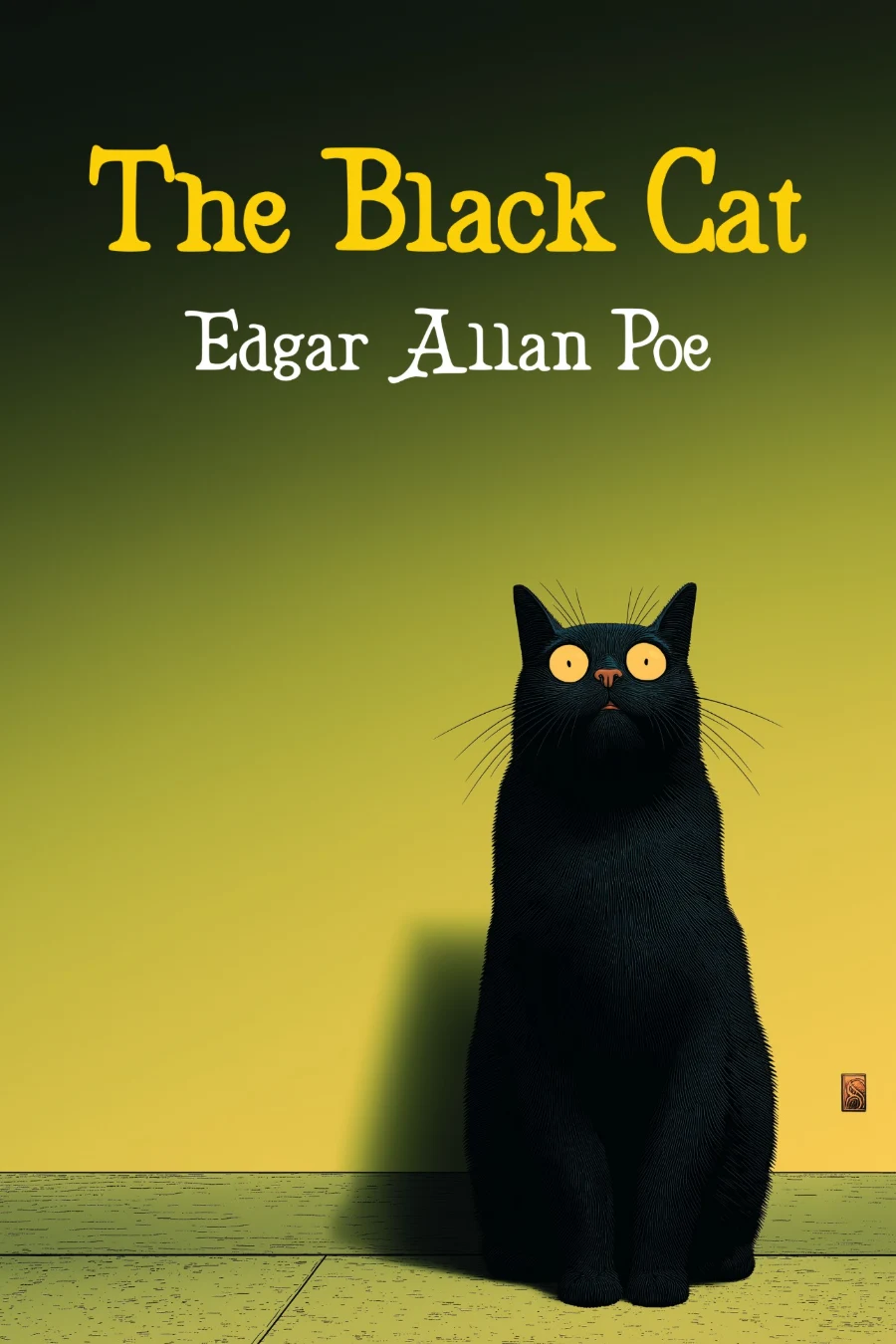
The Black Cat
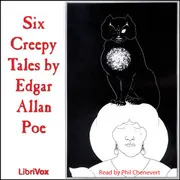
A man sits down to write his confession, not for absolution, but simply to unburden himself before his execution. He insists he is sane, though he knows the world will judge him mad. What follows is his account of how a series of events—beginning with his affection for animals and particularly for a beloved black cat—spiraled into something far darker. The narrator was once a gentle soul, he tells us, known for his kindness and his devotion to the pets he shared with his wife. But alcohol, temperament, and an impulse he can neither name nor fully understand began to transform him.
Poe crafts a psychological descent that feels both intimate and claustrophobic. The narrator's voice is rational even as it describes irrational acts, creating a disturbing tension between the telling and what is told. The story operates in the shadow realm where superstition and guilt become indistinguishable, where a man's crimes against an innocent creature seem to summon something back—whether supernatural vengeance or the manifestation of his own tortured conscience. The prose is precise and controlled, which makes the narrator's loss of control all the more unsettling. Poe explores the perverse impulse, that human tendency to do wrong precisely because we know it is wrong, to destroy what we love simply because we have the power to do so.
This story endures because it maps the interior landscape of guilt with unflinching clarity. It rewards readers who are drawn to psychological horror that feels uncomfortably human, who want to peer into the mechanism of self-destruction and moral collapse. Poe offers no comfort and no easy explanations, only the chilling portrait of a mind cataloging its own unraveling with terrible lucidity.