Peasants
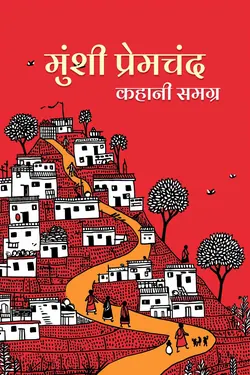
Nikolai Chikildeyev, a waiter who has spent his working life in a Moscow hotel, suddenly loses the use of his legs and decides to bring his wife Olga and their daughter Sasha back to his home village in the country, where life is supposed to be simpler and cheaper. They arrive at his parents' hut, find it half-collapsed and full of strangers, and from that first evening Olga begins to understand what the village actually contains — crushing poverty, drunkenness, a grandmother who beats her daughters-in-law with cold professionalism, an entire economy organized around small humiliations and the occasional fire that takes out a whole row of huts.
Chekhov published the story in 1897, and it caused an immediate scandal. Russian intellectuals — populists, Slavophiles, Tolstoyans — had spent decades constructing an ideal of the peasant as the bearer of Russia's spiritual values, the soul of the country, the moral conscience against which urban modernity should be judged. Chekhov, the doctor and the grandson of a serf, had spent his life among actual peasants, and he wrote the story to put the romance to rest. The famine, the abuse, the priests who arrive only to collect their fees, the village idiot, the quiet kindness that survives anyway — all are presented with the same diagnostic eye Chekhov turned on Moscow drawing rooms.
Peasants rewards readers who want the major Chekhov beyond the famous short pieces, the writer at the height of his powers writing one of the great social novellas of nineteenth-century Russia. It rewards them with a portrait that refuses both sentimentality and contempt — that allows the village its full weight of suffering without losing its specific human inhabitants, and that ends, after Nikolai's funeral, with one of the saddest and most exact paragraphs Chekhov ever wrote about what it is to leave a place that almost killed you and still have nowhere else to go.