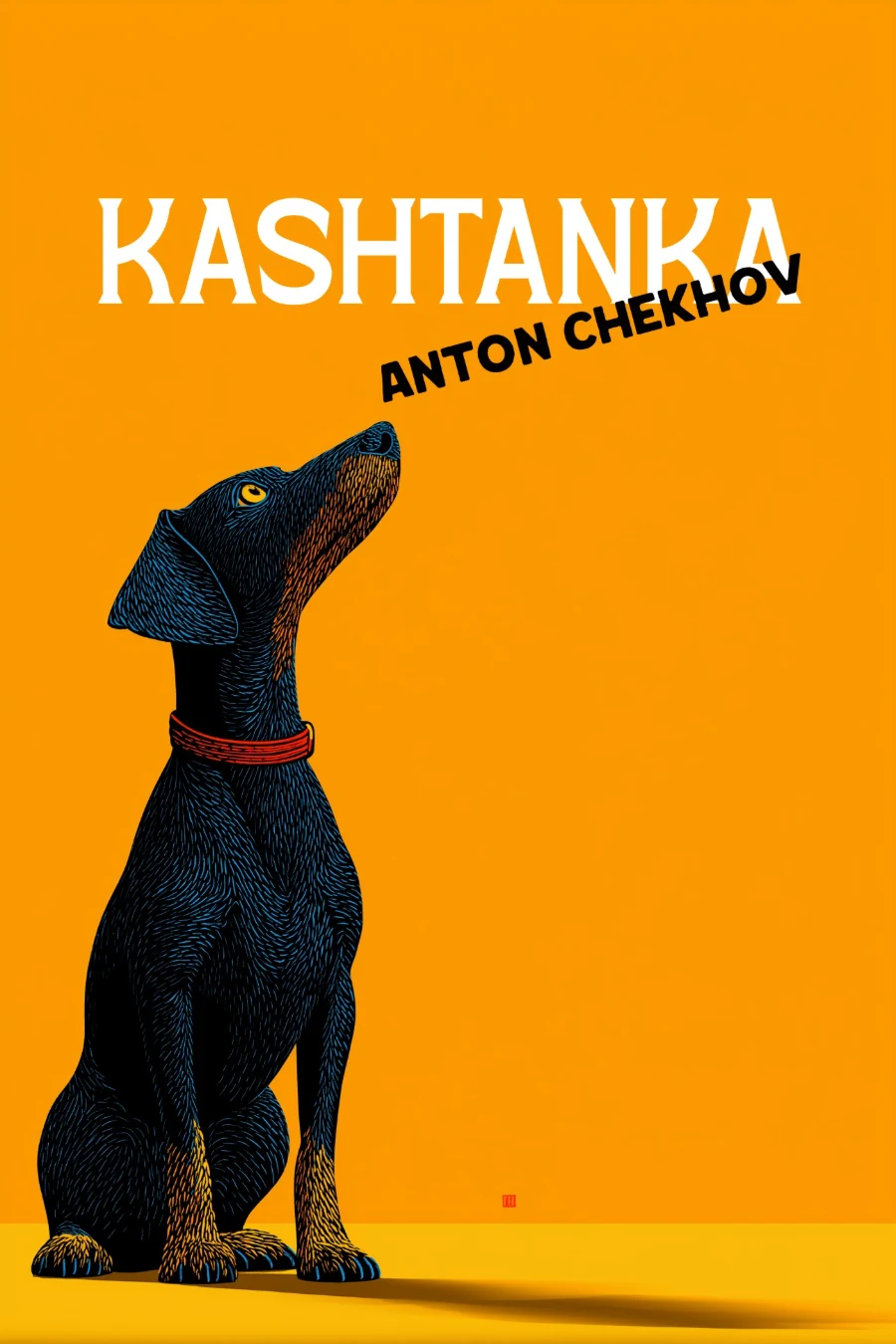
Kashtanka
39 min
7,711 words
en
A small rust-colored dog wanders the streets of a strange city, separated from the only master she has ever known. Kashtanka, a creature of simple needs and uncertain lineage, finds herself navigating a world that has suddenly become unfamiliar and frightening. The comforting smells and sounds of home have vanished, replaced by the overwhelming sensory chaos of an urban landscape where every human stranger looks potentially like the carpenter she has lost, and every shadow might conceal danger or hope.
Chekhov approaches this deceptively simple story with the same psychological precision he brings to his human subjects, rendering the consciousness of an animal without sentimentality or anthropomorphic excess. The narrative moves between Kashtanka's immediate physical perceptions—her hunger, her exhaustion, her confusion—and a deeper current of loyalty and memory that defines her existence. When circumstance leads her into an entirely new life, one that offers comforts and stability her previous existence never provided, Chekhov poses a question about identity and belonging that resonates far beyond the animal kingdom. The prose maintains an unsentimental clarity even as it captures something essential about attachment, habit, and the mysterious pull of home.
This brief story demonstrates Chekhov's ability to distill complex emotional truths into the most compact forms. Readers who appreciate narratives that trust their audience to find meaning in precise observation rather than explicit moralizing will find themselves reconsidering assumptions about choice, contentment, and what we mean when we speak of home. It asks us to witness a life that appears modest from the outside while suggesting that every consciousness, however small, contains its own complete universe of meaning.
Russian RealismAnimal ProtagonistShort StoriesLoyalty and BelongingUrban LifeCircus PerformanceHuman-Animal BondIdentity and TransformationSocial Class ContrastMoscow SettingPsychological RealismSurvival and Adaptation
PublisherKafka
LanguageEnglish
Source
short-fiction-anton-chekhov