Rothschild’s Fiddle
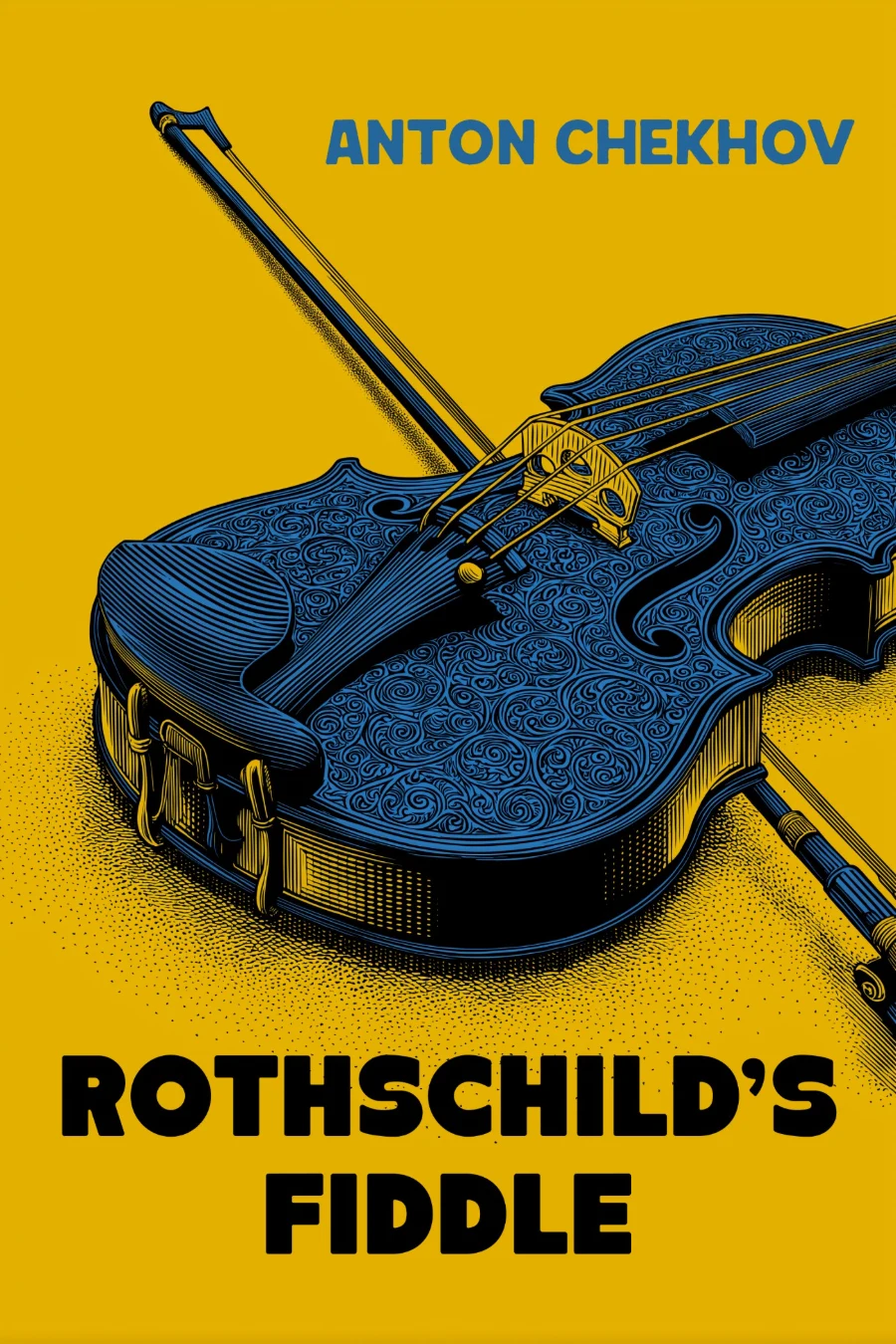
In a wretched provincial town where the elderly die with annoying infrequency, seventy-year-old Yakov Ivanov builds coffins and tallies his daily financial losses. He shares a single-room hut with his wife, Marfa, a stove, his workbench, and his wooden inventory. To make ends meet, Yakov plays the fiddle in a Jews’ orchestra conducted by the tinsmith Moisey Ilyitch Shahkes, harboring a bitter prejudice against his fellow musicians—most of all a flautist named Rothschild.
When Marfa falls gravely ill, Yakov takes out his iron foot-rule to measure her for a box. The task triggers a sudden accounting of his seventy years. Facing the sum of his casual cruelties and petty grievances, he turns to his music, seeking a way to balance the ledger on a life consumed by resentment.
Published in 1894, Chekhov’s short story isolates the economic despair and ingrained antisemitism of nineteenth-century rural Russia. It remains a central text of Russian realism, documenting the strict mechanics of a misspent life and the sudden clarity of its end.