The Yellow Wallpaper
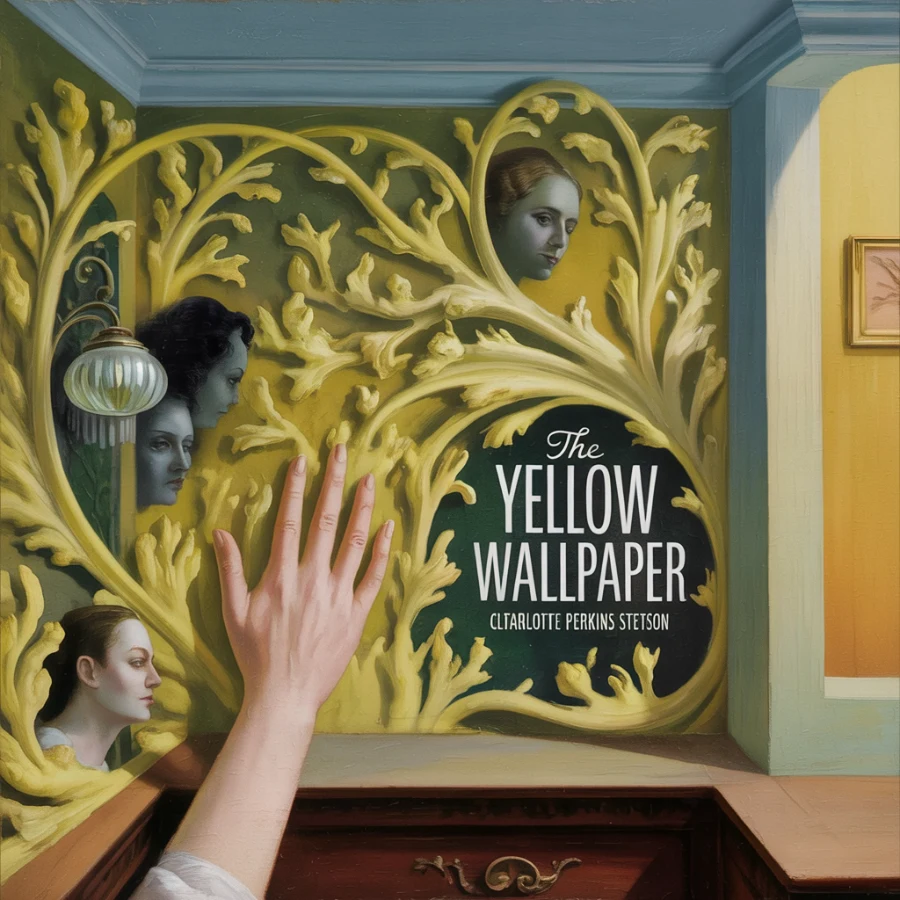
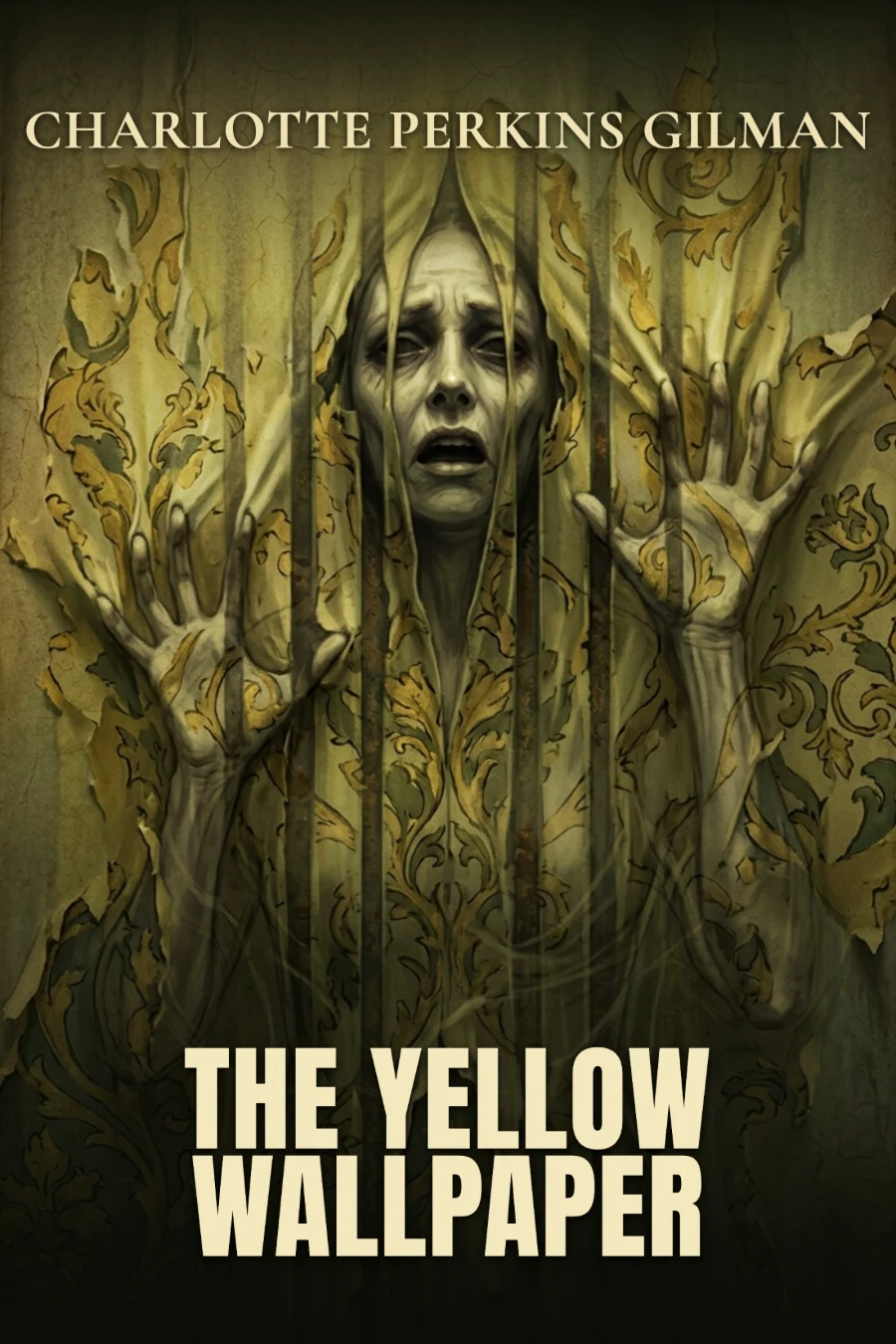
The Yellow Wallpaper is a haunting short story published in 1892 that follows an unnamed narrator suffering from what her physician husband calls a nervous condition, likely postpartum depression. Confined to an upstairs nursery in a rented colonial mansion as part of her rest cure treatment, she is forbidden from working, writing, or engaging in any stimulating activity. The room's grotesque yellow wallpaper becomes an obsession as she descends into madness, eventually believing she sees a woman trapped behind its chaotic pattern. In a disturbing climax, the narrator identifies completely with this imprisoned figure, believing she must free both herself and the woman by tearing down the wallpaper, ultimately creeping around the room over her horrified husband's fainted body.
The story serves as a powerful feminist critique of the medical establishment's treatment of women in the late 19th century, particularly the rest cure prescribed by Dr. Silas Weir Mitchell, which Gilman herself endured. The wallpaper becomes a multifaceted symbol representing the domestic sphere that entraps women, the patronizing medical system that silences them, and the societal constraints that deny them autonomy and intellectual freedom. The narrator's creative mind, starved of proper outlet and expression, turns inward destructively, illustrating how oppressive treatment meant to cure can actually cause psychological breakdown.
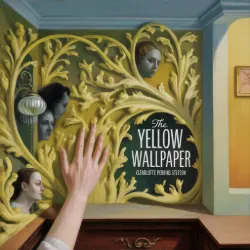
The Yellow Wallpaper stands as a landmark work in feminist literature and American Gothic fiction, anticipating later discussions about women's mental health, bodily autonomy, and the right to self-determination. Initially dismissed or misread as merely a horror story, it was rediscovered by feminist scholars in the 1970s and recognized for its sophisticated critique of patriarchal medicine and marriage. The story remains startlingly relevant today in conversations about medical gaslighting, postpartum mental health, and the importance of listening to women's experiences. Its claustrophobic first-person narration and psychological intensity have influenced countless writers and continue to resonate with readers who recognize the dangers of silencing and infantilizing those seeking help.