Sleepy
12 min
2,296 words
en
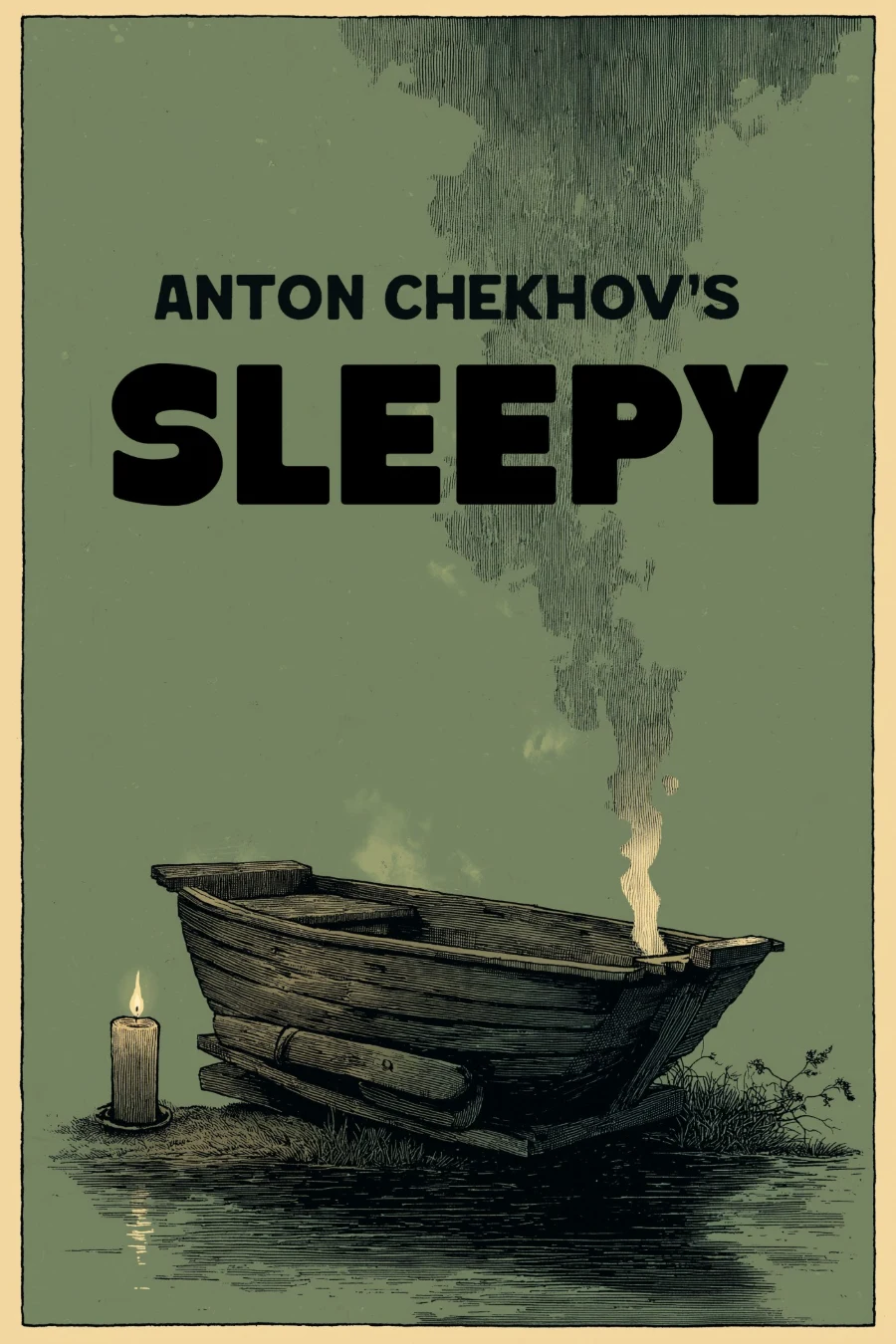
In a stuffy room smelling of cabbage soup and the inside of a boot-shop, thirteen-year-old Varka rocks her master's baby beneath a flickering green icon lamp. The infant has been screaming for hours. In the next room, the master and his apprentice snore heavily. Varka cannot keep her eyes open. Her neck aches, her face feels like wood, and her mind begins to bend under the weight of unrelenting exhaustion.
As the night wears on, the shadows cast by hanging clothes seem to come alive. Hallucinations bleed into Varka's waking moments, distorting the physical reality of her domestic servitude. Bound to the creaking cradle and forbidden to rest, she searches through her delirium for the true source of her torment, moving blindly toward a final, desperate act.
Chekhov compresses the mechanics of class exploitation and child labor into one suffocating night. First published in 1888, the short story remains a central text of Russian realism.
Russian RealismChild LaborSleep DeprivationPsychological DeteriorationSocial InjusticeDomestic ServitudeInfanticideOppressionDark RealismShort StoriesTsarist RussiaClass Exploitation
PublisherKafka
LanguageEnglish
Source
short-fiction-anton-chekhov