Metamorphosis
1h 50m
21,935 words
en
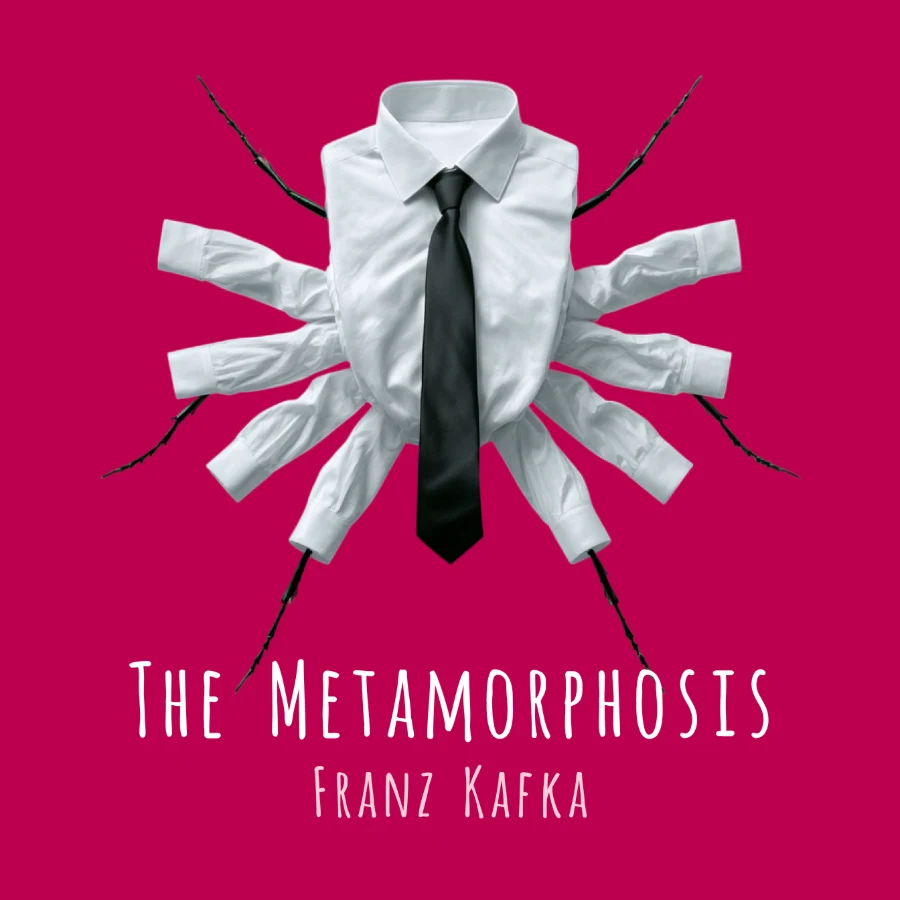
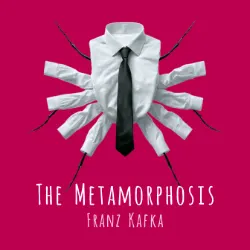
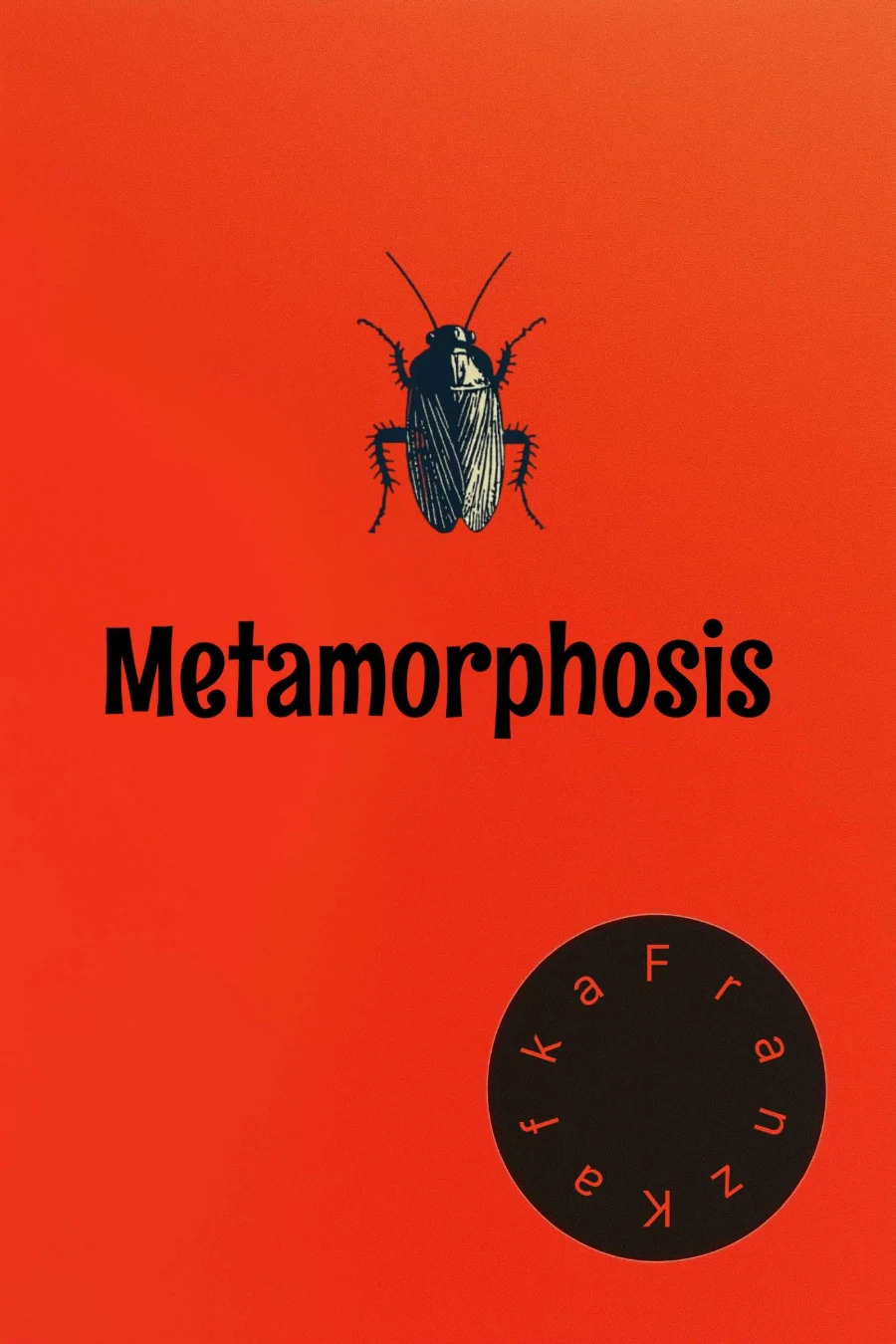
Gregor Samsa, a traveling salesman, wakes in his bedroom to find himself transformed into a giant, armor-backed vermin. As he lies on his bed, struggling to coordinate his newly multiplied, pitifully thin legs, his immediate concern is not the impossibility of his condition. It is the rain against the windowpane, the textile samples waiting on his table, and the frustration that he cannot roll onto his right side to go back to sleep.
When Gregor fails to leave for work, his family gathers at his locked door. What follows is a stark account of confinement and domestic alienation. As Gregor adapts to his new anatomy, his parents and sister are forced to accommodate the creature he has become, navigating the logistics of feeding and hiding a son who can no longer participate in society.
Published in 1915, Kafka’s three-chapter novella anchored the surreal in the rigid realities of a twentieth-century apartment. It established a framework for absurdist fiction and gave physical form to the psychological dehumanization of the modern era.
FictionNovellaAbsurdist FictionExistentialismModernismGerman Literature20th CenturyPsychological FictionAlienationFamily DynamicsTransformationIsolationKafkaesqueExpressionismSurrealism
LanguageEnglish
Source