The Hunter Gracchus
Translated by Ian Johnston
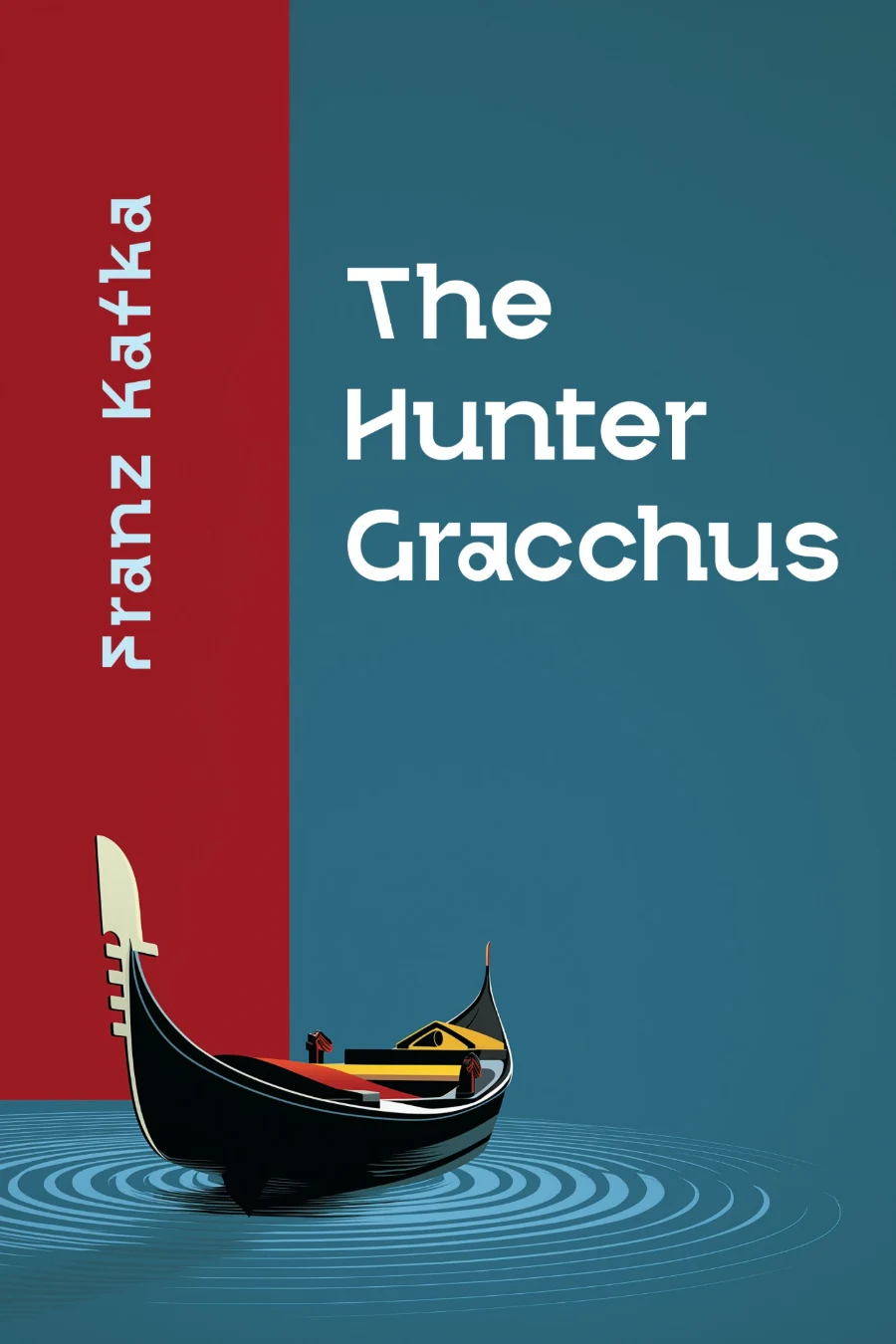
A mysterious boat glides into a small Italian harbor town, carrying a figure who exists in a liminal state between life and death. The Hunter Gracchus, we learn, died long ago in the Black Forest after a hunting accident, yet he has never reached the afterlife. Instead, he drifts endlessly across earthly waters, condemned to an existence without resolution, visiting port after port but never arriving at his true destination. When a local official comes aboard to meet him, Gracchus recounts his peculiar predicament with an air of weary resignation that has accumulated over centuries of this impossible journey.
Kafka constructs a metaphysical puzzle wrapped in the spare details of a realistic scene—the stone steps of the harbor, the men carrying the bier, the mundane conversation that unfolds in the presence of the uncanny. The hunter's condition is presented not with Gothic horror but with bureaucratic matter-of-factness, as though his eternal wandering were a clerical error in the cosmic order rather than a curse. The story operates in that distinctly Kafkaesque register where the inexplicable becomes somehow routine, where supernatural predicaments are discussed with the same tone one might use to describe a misdirected piece of mail. The hunter himself embodies this paradox—he is everywhere and nowhere, neither properly alive nor successfully dead, trapped in a state of perpetual transition.
This brief, enigmatic work captures Kafka's preoccupation with beings who exist outside the normal categories of existence, who cannot find their proper place in any order, earthly or divine. It rewards readers drawn to philosophical parables that refuse easy interpretation, those who appreciate literature that poses profound questions about existence, death, and meaning without presuming to answer them. The story's power lies precisely in what remains unexplained, in the hunter's strange calm as he describes an eternity spent in the wrong realm.