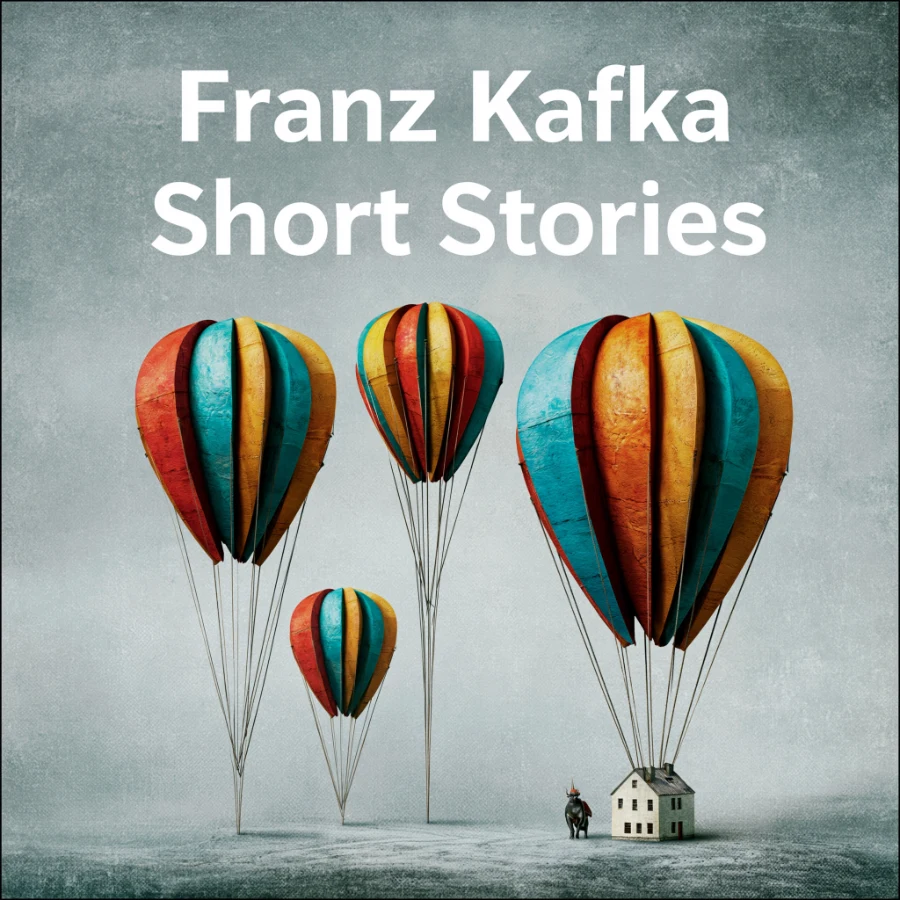
Franz Kafka Short Stories
en
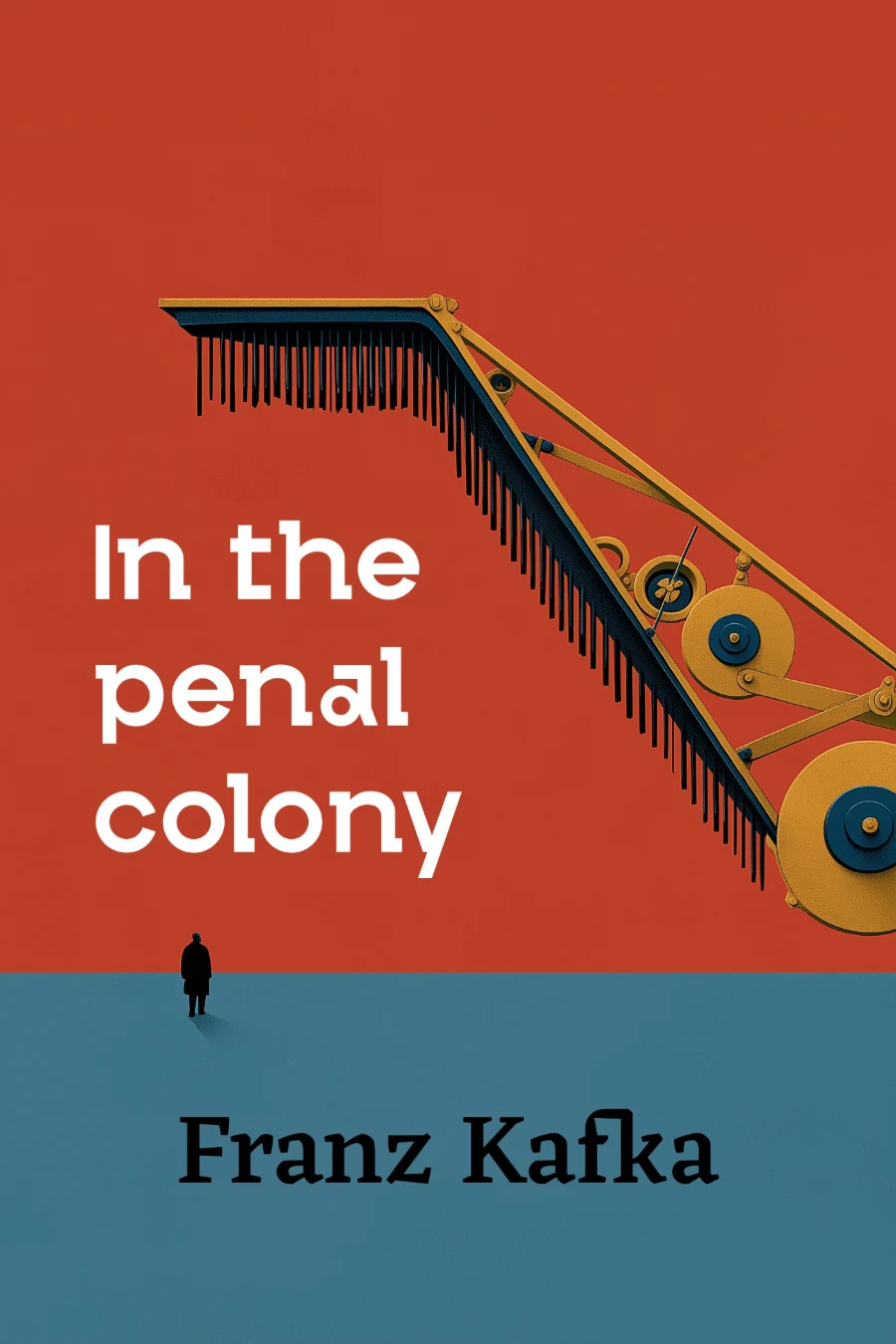
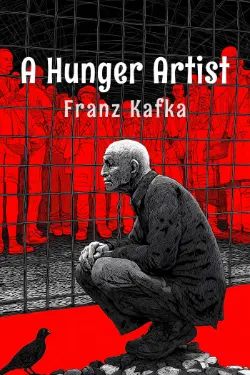
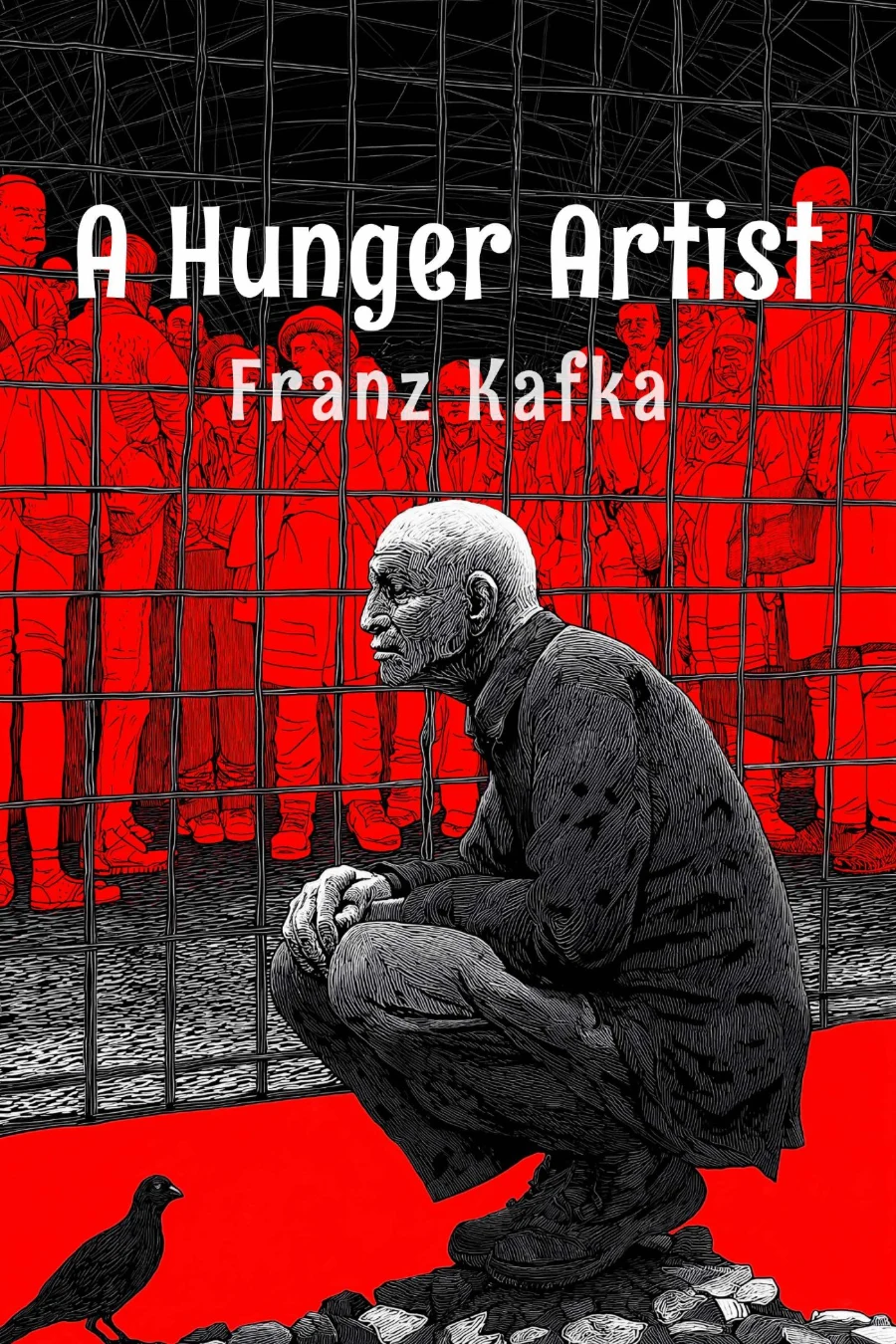
A professional faster sits in a cage, watching public interest in his starvation fade; an ape addresses a scientific body to explain how he adopted human habits to survive; a traveler in a remote settlement inspects a mechanical execution device designed to carve broken laws directly into the flesh of the condemned.
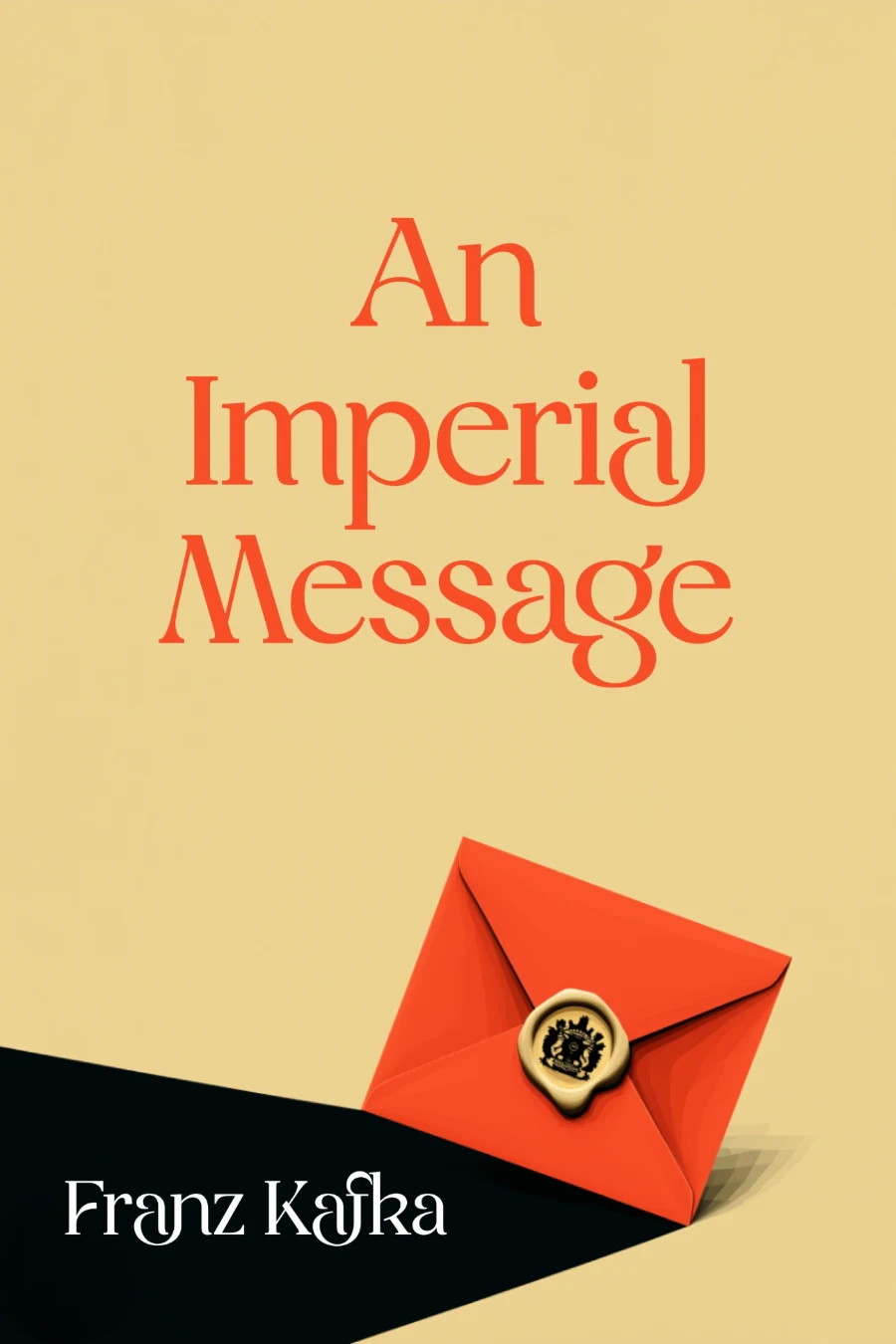
These narratives operate on the strict, impossible logic of a nightmare. A dying emperor’s final decree will never arrive because his messenger must fight through an infinite sequence of palace courtyards. A country doctor answers a nighttime call in a blizzard using unearthly horses, only to discover a patient with a grotesque wound he cannot heal. A merchant’s casual letter to a friend in Russia triggers a confrontation with his elderly father that ends in an absolute sentence.
Written in early twentieth-century Prague, Kafka’s short fiction defined the modern experience of alienation. These texts mapped the institutional dread and bureaucratic absurdity of a changing Europe, permanently altering the trajectory of global literature.