An Imperial Message
Translated by Ian Johnston
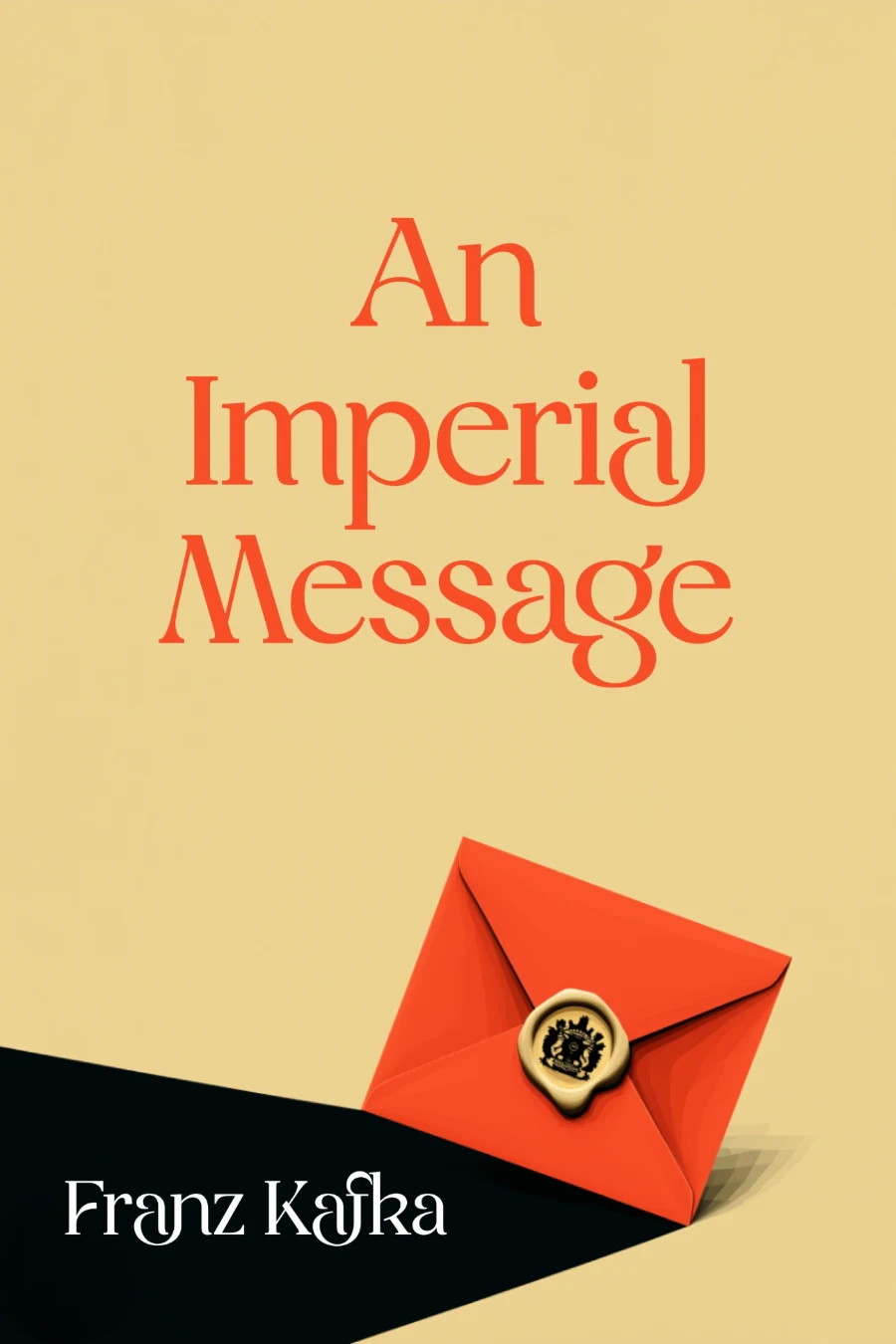
An emperor lies dying in the depths of his vast palace, and in his final moments, he dispatches a messenger with a personal message intended for you—a single, insignificant subject at the empire's farthest edge. The messenger is strong, tireless, devoted. He sets out immediately, bearing words meant for your ears alone. But between the imperial bedchamber and the distant edge of the realm lie endless corridors, countless courtyards, palace within palace, and beyond them the sprawling capital city with its teeming millions.
What follows is not an adventure of the messenger's journey but something stranger and more unsettling: a meditation on distance, hierarchy, and the impossibility of true communication across the vast structures that organize human life. Kafka constructs this parable with mathematical precision, each obstacle described with calm certainty, each barrier as insurmountable as the last. The prose moves with a hypnotic rhythm, piling impediment upon impediment until the absurdity becomes a kind of metaphysical truth. The story asks whether meaning can traverse the distances built into the architecture of power, whether any message from the center can ever reach those at the margins, whether you—waiting at your window as evening falls—can ever truly receive what was meant for you.
This brief work distills Kafka's essential concerns into a single, crystalline image that has haunted readers for over a century. It rewards those drawn to literature that operates as allegory without ever fully resolving into a single interpretation, and readers who find beauty in prose that states the impossible with perfect, bureaucratic clarity.