Kafka
Kafka
Download AppDownload
AboutContactPrivacyTerms
Download App

© 2026 Kafka

  1. Home
  2. /
  3. The Beast in the Cave
The Beast in the Cave

The Beast in the Cave

H. P. Lovecraft

14 min
2,639 words
en
Start Reading

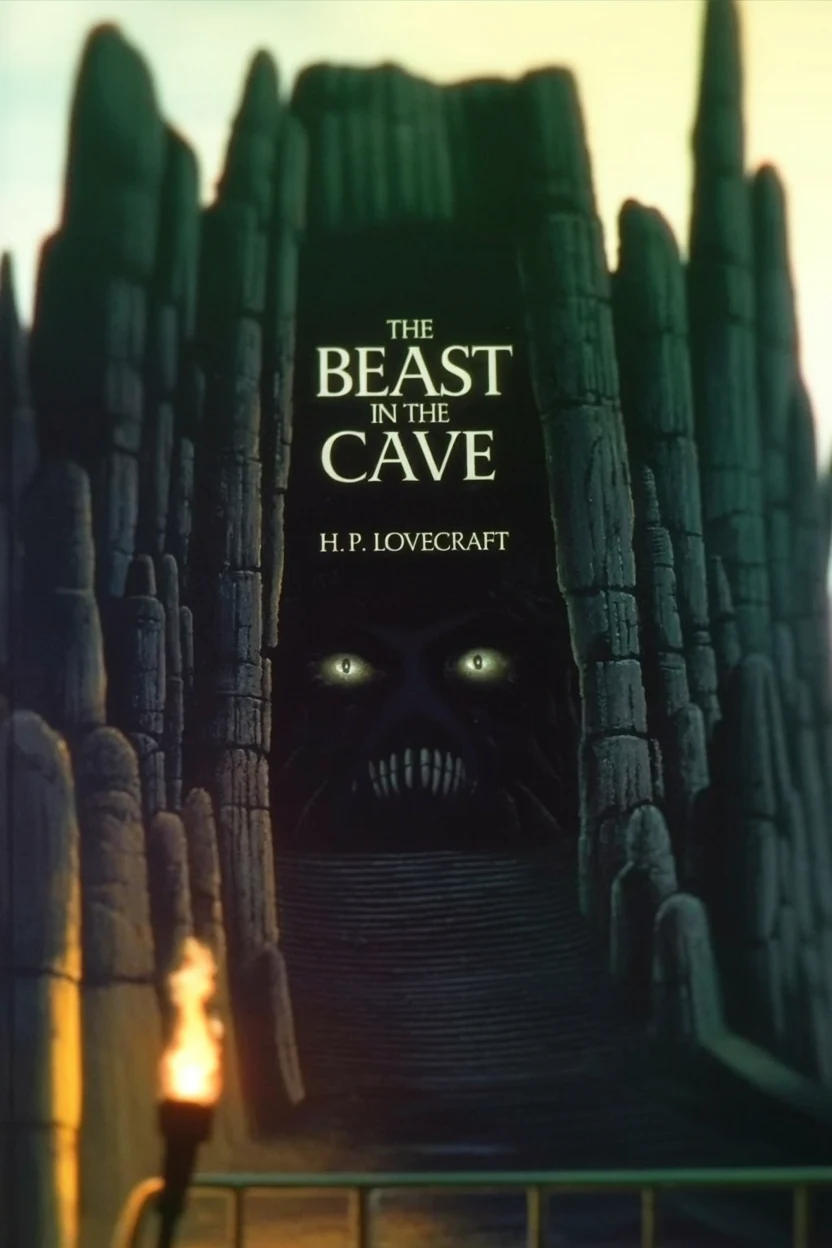
The Beast in the Cave is one of H. P. Lovecraft's earliest short stories, written in 1905 when he was just fifteen years old, though it wasn't published until 1918 in the amateur press journal The Vagrant. The tale follows an unnamed narrator who becomes separated from his tour group while exploring the depths of Mammoth Cave in Kentucky. Lost in the oppressive darkness with his torch extinguished, the protagonist experiences mounting terror as he wanders through the labyrinthine passages. His fear intensifies when he hears the sounds of a large creature pursuing him through the blackness. In a desperate act of self-preservation, he hurls a rock at the approaching beast, striking it down. When his guide finally arrives with light, they discover the horrifying truth: the creature is actually a degenerated human being who had become lost in the cave system long ago and devolved into a primitive, animalistic state after years of isolation in the subterranean darkness.

Despite its juvenile origins, The Beast in the Cave demonstrates several themes that would become hallmarks of Lovecraft's mature work. The story explores the fragility of human civilization and rationality, suggesting that the veneer of humanity is thin and can be stripped away by extreme circumstances and isolation. The cave setting establishes Lovecraft's enduring fascination with unknown depths and hidden spaces, while the revelation ending showcases his talent for unsettling twists that challenge the reader's assumptions. The degeneration motif—the idea that humans can regress to bestial states—reflects both contemporary pseudoscientific theories about evolution that Lovecraft encountered in his reading and a deeper anxiety about the instability of human identity. While not among his most celebrated works, this early story provides valuable insight into the development of one of horror literature's most influential voices and contains the DNA of themes he would explore with far greater sophistication in later classics like At the Mountains of Madness and The Shadow over Innsmouth.

HorrorShort StoryGothicEarly 20th CenturyAmerican LiteratureWeird FictionSupernaturalCave ExplorationIsolationCosmic HorrorLovecraftianDark FictionPsychological Horror
PublisherKafka
LanguageEnglish
Source
Wikisource

Books by H. P. Lovecraft

The OutsiderThe Outsider
The Case of Charles Dexter WardThe Case of Charles Dexter Ward
The Call of CthulhuThe Call of Cthulhu
Short FictionShort Fiction
At the Mountains of MadnessAt the Mountains of Madness

Similar books

Seven Footprints to SatanSeven Footprints to Satan
GooseberriesGooseberries
GusevGusev
Letters to MilenaLetters to Milena
The NightmareThe Nightmare
Claimed!Claimed!
The Big SleepThe Big Sleep
The Long GoodbyeThe Long Goodbye
Dwellers in the MirageDwellers in the Mirage
The Lost StradivariusThe Lost Stradivarius
Ten Days in a Mad-HouseTen Days in a Mad-House
Short FictionShort Fiction
Rothschild’s FiddleRothschild’s Fiddle
The Last LeafThe Last Leaf
Around the World in Seventy-Two DaysAround the World in Seventy-Two Days
SleepySleepy
Trouble Is My BusinessTrouble Is My Business
An Imperial MessageAn Imperial Message
The Hunter GracchusThe Hunter Gracchus
Topper Takes a TripTopper Takes a Trip
The BetThe Bet
The YearlingThe Yearling
The Day of the LocustThe Day of the Locust

Similar audiobooks

Dunwich HorrorDunwich Horror
Collected Public Domain Works of H. P. LovecraftCollected Public Domain Works of H. P. Lovecraft
Franz Kafka Short StoriesFranz Kafka Short Stories