The Stranger
The Stranger (L’Étranger) by Albert Camus is one of the most influential works of 20th-century literature and a defining text of existential and absurdist thought. Set in French Algeria, the story is narrated by Meursault, a man who experiences life with emotional detachment and indifference to social expectations. After committing a seemingly irrational crime, he finds himself judged not only for his actions but also for his refusal to conform to society’s moral and emotional norms.
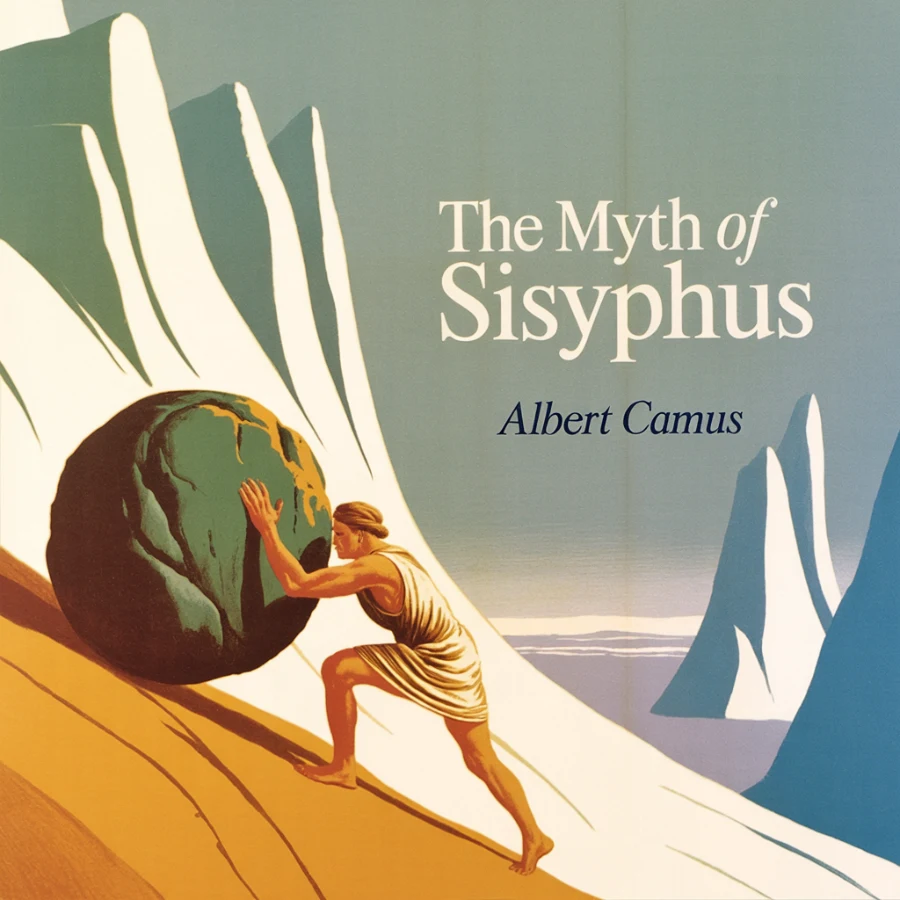
Through Meursault’s perspective, Camus examines the absurd nature of human existence — the tension between humanity’s desire for meaning and a universe that offers none. The novel raises questions about freedom, responsibility, and authenticity, ultimately confronting the reader with the unsettling idea that meaning must be created rather than discovered.
Written in a sparse and direct style, The Stranger remains a powerful exploration of isolation, morality, and the human condition.