The Myth of Sisyphus
The Myth of Sisyphus is one of Albert Camus’ most influential philosophical works, in which he introduces and develops his idea of the absurd. Beginning with the question of whether life is worth living, Camus confronts the tension between the human desire for clarity, order, and meaning and the universe’s apparent indifference to those desires.
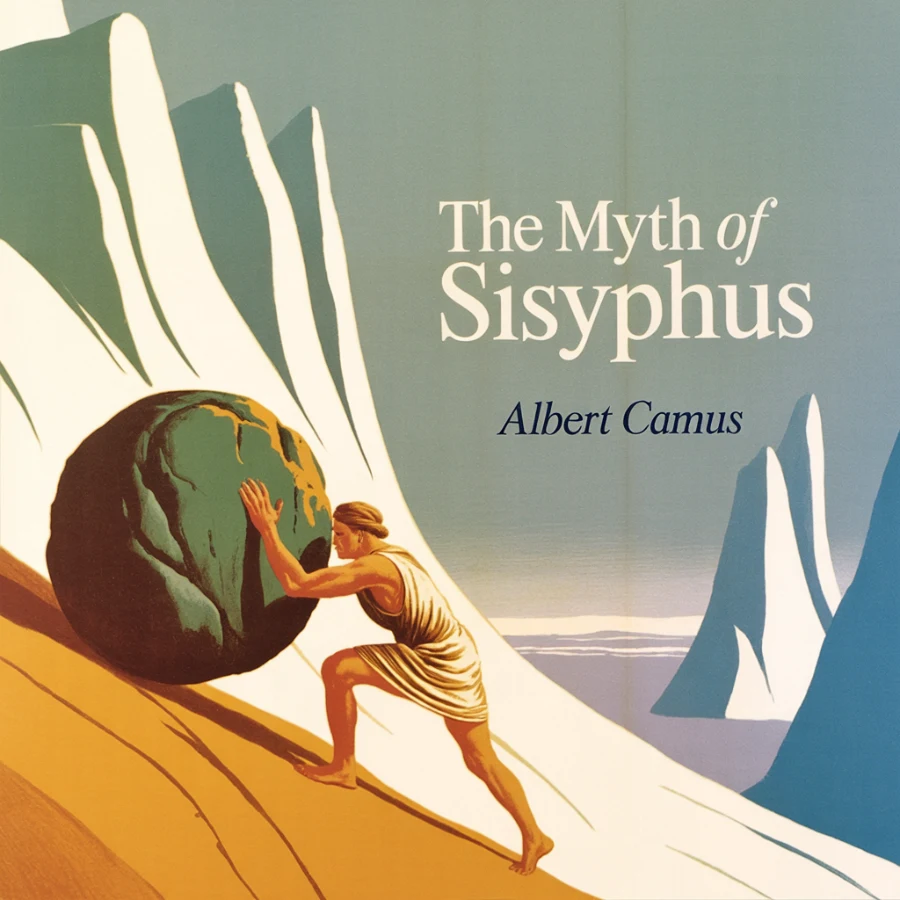
Drawing on philosophy, literature, and the Greek myth of Sisyphus — condemned to eternally push a boulder uphill only for it to roll back down — Camus argues that recognizing the absurd does not lead to despair but to freedom. Instead of seeking escape through religion or false hope, he proposes acceptance, rebellion, and conscious living as responses to life’s meaninglessness.
The essay ultimately suggests that meaning is not discovered but created through awareness and engagement with life itself, making it a foundational text in modern existential and absurdist thought.