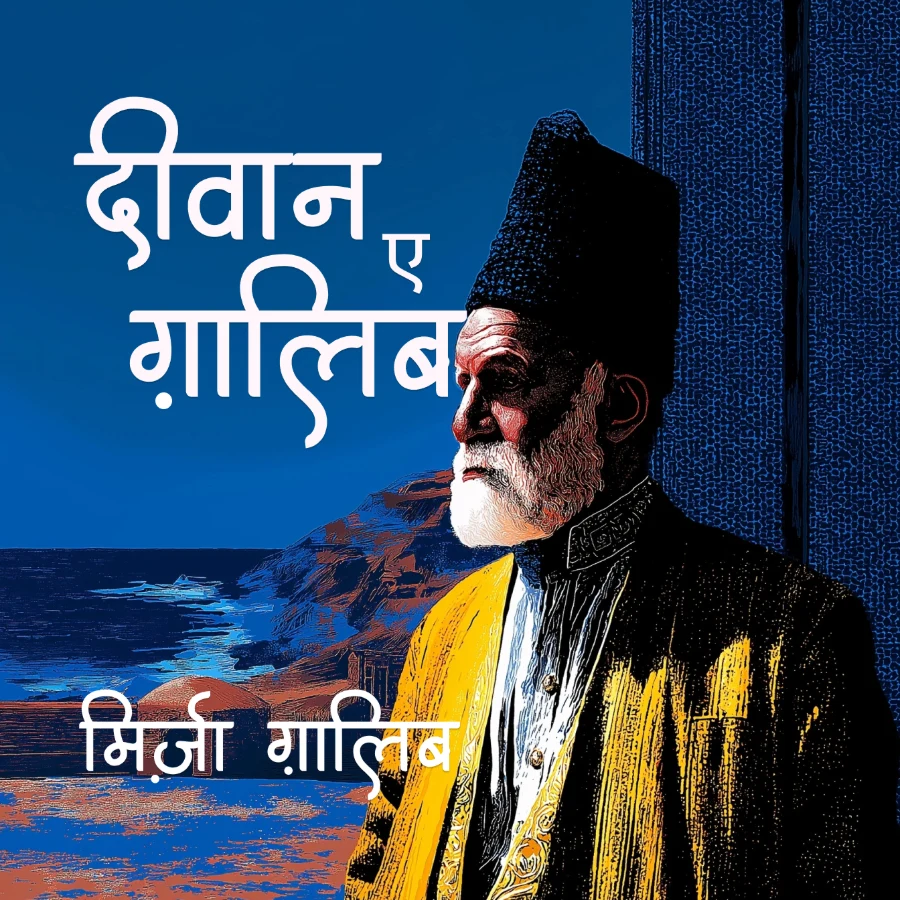
Divan-e-Ghalib
Translated by Frances W. Pritchett
3h 7m
37,365 words
ur
In the twilight of the Mughal era, a nineteenth-century Delhi poet works within the strict meters and rhymes of the classical ghazal to document the intersections of earthly desire and Sufi mysticism. The verses move between the taverns of the city and metaphysical courts of appeal, recording the mechanics of grief, the paradoxes of romance, and the silence of God.
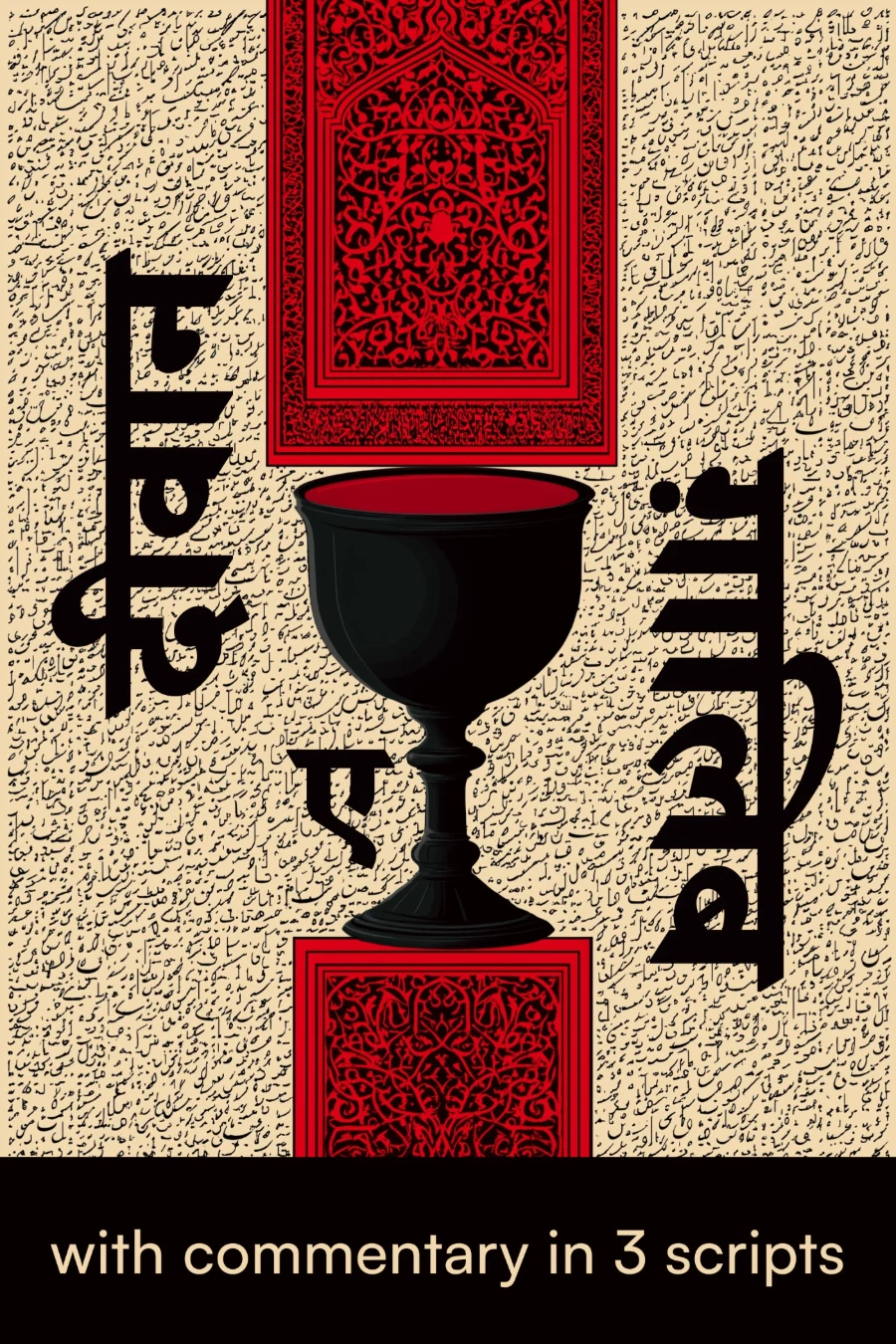
This volume gathers the complete Urdu ghazals, presenting each poem in three scripts alongside detailed commentary. Beginning with verses dated to 1816, the collection tracks structural and philosophical shifts across decades of work, from the opening existential complaint of *naqsh faryādī hai* to the physical ruin of a heart consumed by its own hidden fire (*dil mirā soz-e nihāñ se be-muḥābā jal gayā*).
The collection stands as the central text of classical Urdu poetry, cementing the philosophical and linguistic boundaries of the Delhi School. Translated by Frances W. Pritchett.