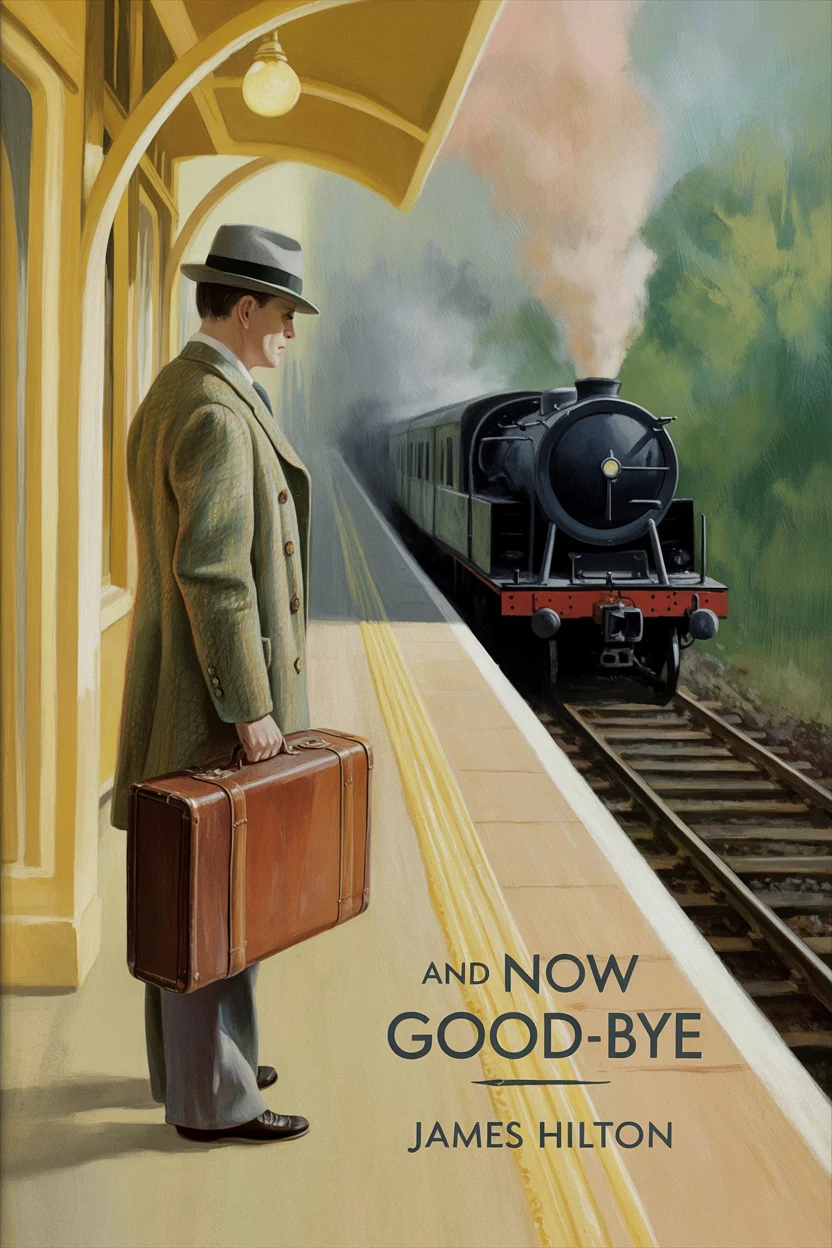
And Now Good-bye
5h 6m
61,139 words
en
Reverend Howat Freemantle appears to have it all—a thriving congregation in an English industrial town, a respected position in the community, a comfortable home, and a dutiful family. Yet beneath the surface of this seemingly secure existence lies a profound restlessness, a gnawing sense that his carefully constructed life has become a prison of convention and compromise. When an encounter awakens emotions he thought long buried, he faces a crisis that threatens everything he has built, forcing him to confront the chasm between the moral certainties he preaches and the turbulent desires of his own heart.
Hilton captures the suffocating atmosphere of 1930s provincial England with its rigid social hierarchies and merciless judgment of those who step outside prescribed boundaries. The novel moves between psychological intimacy and social observation, examining how individuals are shaped—and constrained—by their roles, their reputations, and the expectations of others. The prose carries a matter-of-fact directness that makes the emotional turmoil all the more devastating, as Freemantle's interior life collides with the public persona he must maintain. What begins as a story about temptation deepens into something more unsettling: a meditation on self-knowledge, the weight of choices made long ago, and whether genuine transformation is ever possible.
This is a novel for readers drawn to moral complexity rather than easy answers, who appreciate fiction that examines the often painful distance between who we are and who we wish to be. Hilton writes with compassion for human frailty without excusing it, creating a portrait of a man at the edge that feels both specific to its era and unnervingly timeless. Those who value psychological realism and are willing to sit with discomfort will find much to contemplate in this unflinching examination of a soul in crisis.
Psychological FictionClergy Crisis of FaithMarital InfidelityMoral CompromiseSmall-Town LifeReligious DoubtTragic RomanceSocial HypocrisyInterwar PeriodMelodramaSacrifice and RedemptionProvincial England
PublisherRoy Glashan's Library
LanguageEnglish