Twenty Three Tales
Translated by Aylmer Maude, Louise Maude
7h 32m
90,237 words
en
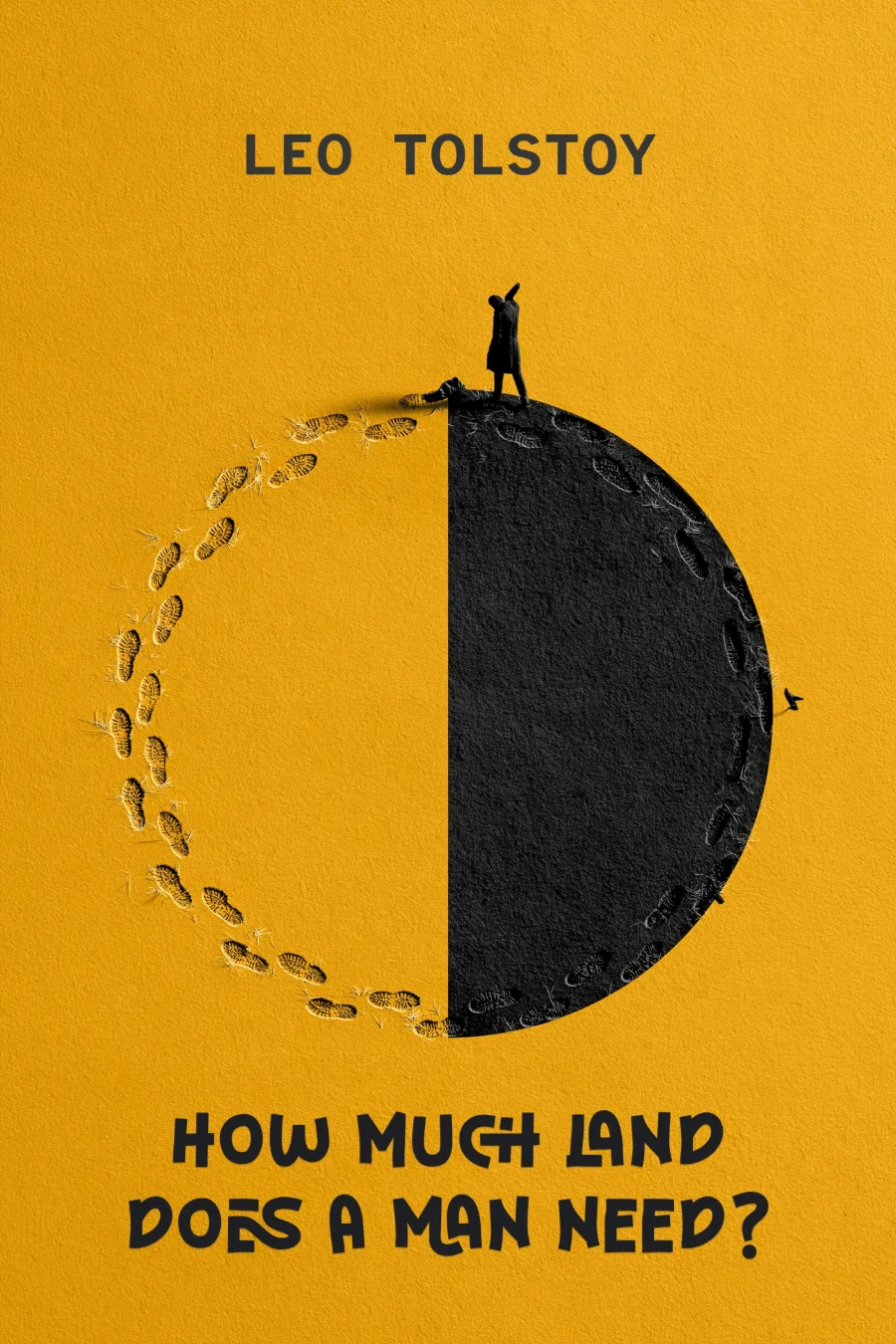
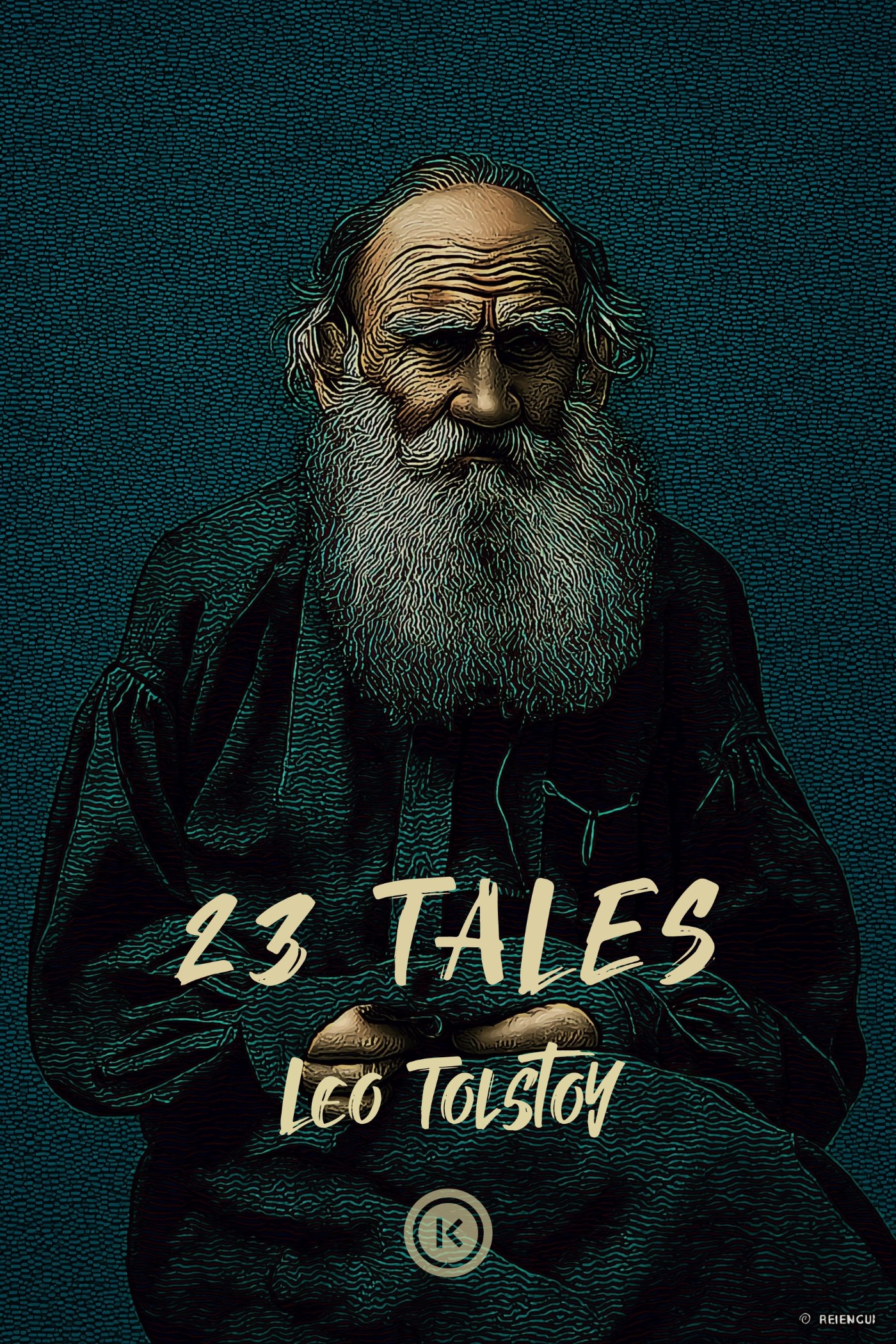
Twenty-Three Tales is a celebrated collection of short stories by Leo Tolstoy, first published in English in 1906, though the individual stories were written at various points during his literary career, primarily during his later period when he had undergone his famous spiritual transformation. This compilation represents Tolstoy's mastery of the short story form and showcases his evolution from a novelist of epic scope to a moralist concerned with universal human truths. The stories range from simple folk tales and parables to more complex narratives, many drawing inspiration from Russian peasant life, religious allegory, and moral philosophy. Notable tales include "God Sees the Truth, But Waits," about a man wrongly imprisoned who finds redemption through forgiveness; "How Much Land Does a Man Need?," a parable about greed and the futility of material ambition; and "The Three Questions," which explores fundamental questions about the right time to act, the right people to listen to, and the most important thing to do.
The collection embodies Tolstoy's later philosophy emphasizing Christian anarchism, nonviolence, and the importance of simple living. Many stories critique social inequality, the corrupting influence of wealth, and the hollowness of social conventions, while celebrating peasant wisdom, compassion, and spiritual enlightenment. Tolstoy deliberately adopted a plain, accessible style in these works, rejecting the elaborate prose of his earlier novels in favor of clarity and moral directness. This stylistic choice reflected his belief that literature should serve a moral purpose and be accessible to all classes of readers, not just the educated elite.
The historical significance of Twenty-Three Tales lies in its representation of Tolstoy's mature artistic and philosophical vision, demonstrating how one of the world's greatest novelists could achieve profound impact through brevity and simplicity. These stories have influenced countless writers and thinkers, from Gandhi, who drew inspiration from Tolstoy's ideas about nonviolent resistance, to modern short story writers who recognize the power of parable and moral fiction. The collection remains essential reading for understanding Tolstoy's complete legacy and continues to resonate with contemporary readers grappling with timeless questions about justice, meaning, faith, and what constitutes a life well-lived.