The Yellow Wallpaper
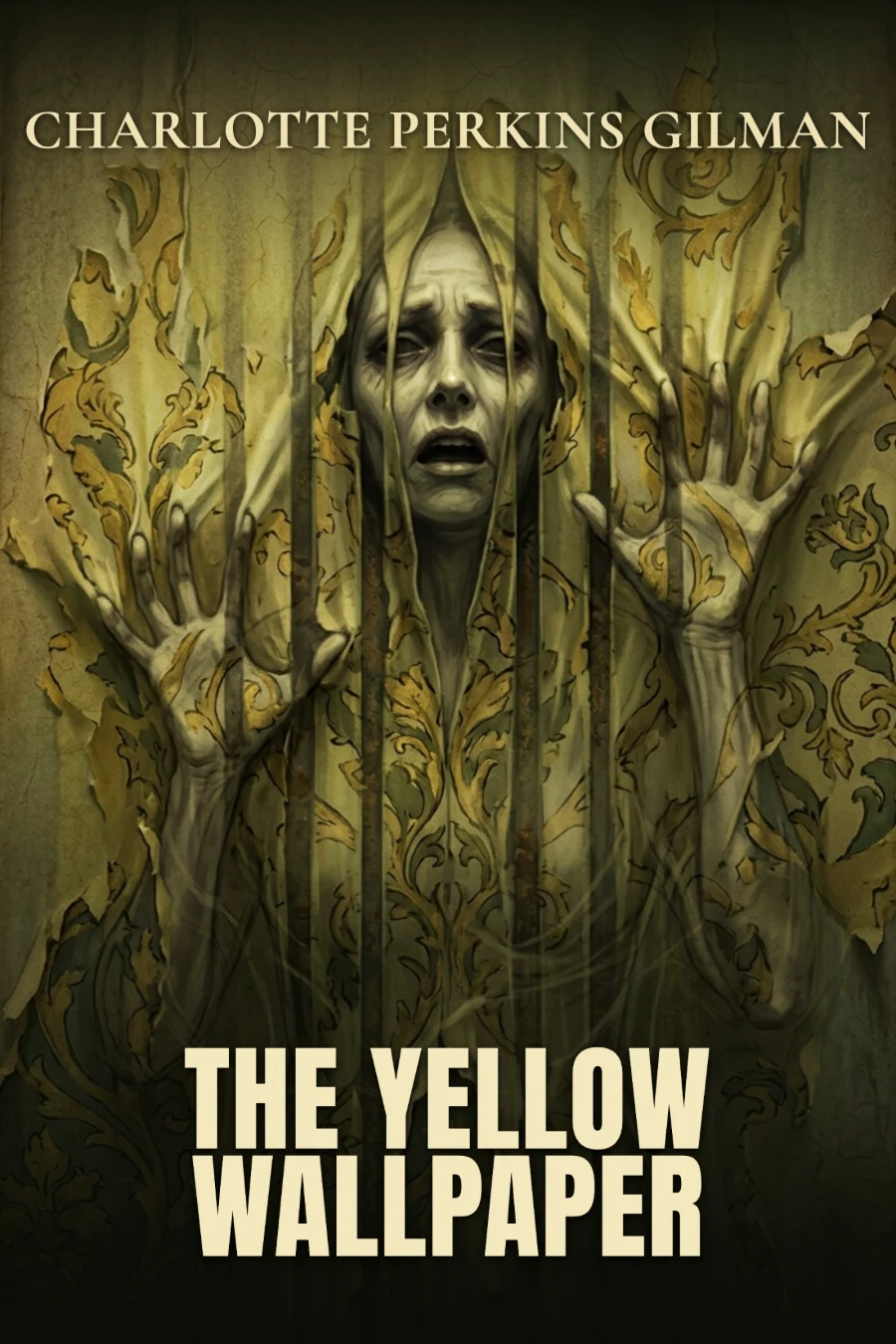
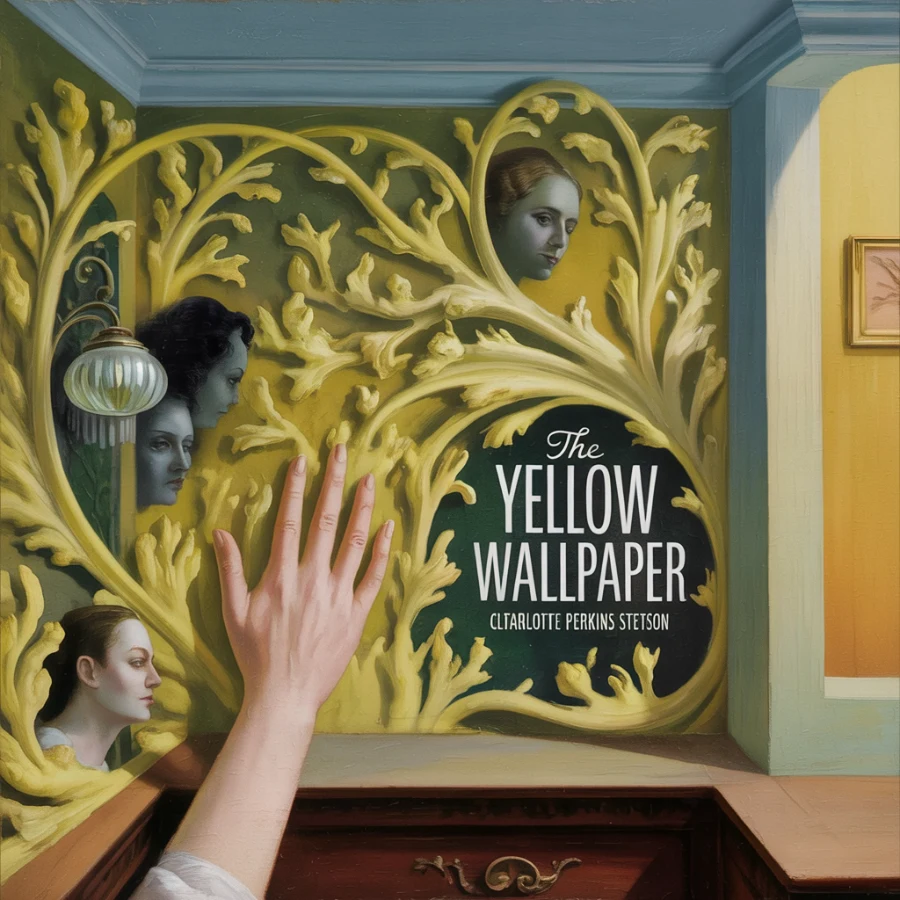
The Yellow Wallpaper is a haunting short story published in 1892 that follows an unnamed narrator who has been prescribed a "rest cure" by her physician husband, John, following the birth of their child. Confined to a former nursery in a rented colonial mansion, the narrator is forbidden from working, writing, or engaging in any intellectual activity. With nothing to occupy her mind, she becomes increasingly obsessed with the room's bizarre yellow wallpaper, which features a chaotic, sprawling pattern. As days pass in isolation, she begins to see a woman trapped behind the pattern, desperately trying to escape. The narrator's fixation intensifies until she becomes convinced that she must free the woman, leading to a chilling climax that blurs the line between liberation and complete mental breakdown.
Written by Charlotte Perkins Gilman (who published under her married name Charlotte Perkins Stetson at the time), this story serves as a powerful critique of the medical treatment of women in the late 19th century, particularly the "rest cure" developed by Dr. Silas Weir Mitchell. Gilman herself underwent this treatment for postpartum depression and nearly suffered a nervous breakdown as a result. The story explores themes of female autonomy, the oppression of women within marriage and medicine, the importance of creative and intellectual expression, and the fine line between sanity and madness. The wallpaper itself becomes a symbol of the domestic sphere that traps women, with its chaotic pattern representing the confusion and frustration of being denied agency over one's own life and body.
The Yellow Wallpaper is considered a masterpiece of early feminist literature and American Gothic fiction. Initially dismissed by critics who found it too disturbing, the story was rediscovered during the feminist movement of the 1970s and has since become required reading in countless literature and women's studies courses. Its psychological depth and symbolic richness continue to resonate with modern readers, offering insights into mental health, gender dynamics, and the dangers of dismissing women's voices and experiences.