Kafka
Kafka
Download AppDownload
AboutContactPrivacyTerms
Download App

© 2026 Kafka

  1. Home
  2. /
  3. The Lair of the White Worm
The Lair of the White Worm

The Lair of the White Worm

Bram Stoker

4h 37m
55,269 words
en
Start Reading

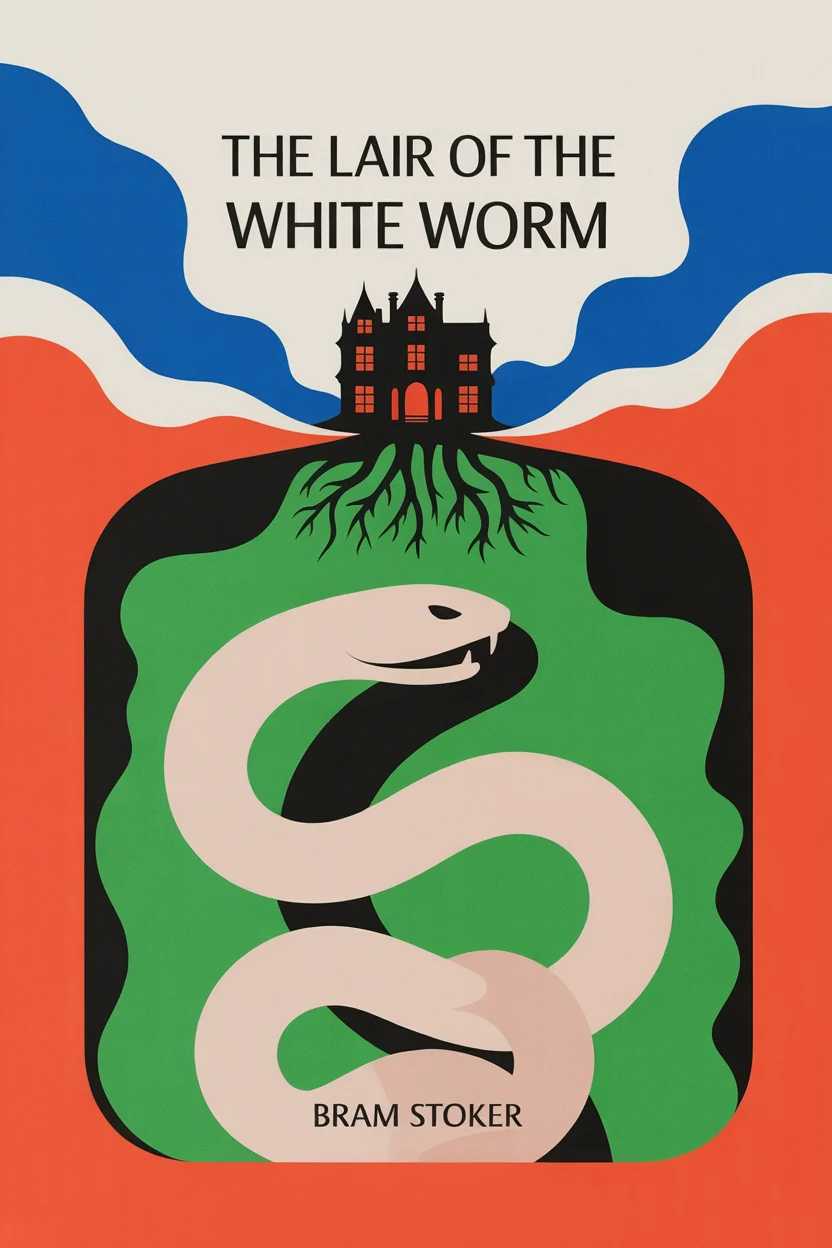
The Lair of the White Worm is Bram Stoker's final novel, published in 1911, just a year before his death. Set in the rural English countryside of Derbyshire, the story follows Adam Salton, a young Australian who travels to England after being contacted by his great-uncle. Upon arrival, Adam becomes entangled in a bizarre and sinister mystery involving Lady Arabella March, who harbors a dark secret—she is actually an ancient serpent creature that dwells in a deep pit on her estate. The novel blends Gothic horror with folklore and mythology as Adam, along with his uncle and friends, must confront this primordial evil that has lurked beneath the English soil for centuries, preying on local victims and exerting a malevolent influence over the region.

The book explores themes of primal evil, the clash between ancient forces and modern rationality, and Victorian anxieties about female sexuality and power. Lady Arabella represents a monstrous feminine threat, embodying fears of predatory women that were common in late Victorian and Edwardian literature. The novel also touches on colonialism through its protagonist, an outsider from the British Empire who must save England from a threat within its own borders, inverting typical colonial narratives of the era.

Critically, The Lair of the White Worm is considered one of Stoker's weaker works, especially when compared to his masterpiece Dracula. The narrative is often disjointed and rushed, possibly due to Stoker's declining health during its composition. Some scholars suggest the published version may have been heavily edited or abridged. Despite its flaws, the novel remains significant as an example of late Stoker and early 20th-century horror fiction. It demonstrates the author's continued fascination with ancient evil and the Gothic tradition while reflecting the anxieties of Edwardian England on the brink of profound social change. The book gained renewed attention after Ken Russell's loose 1988 film adaptation introduced it to modern audiences.
FictionGothicHorrorVictorian LiteratureEarly 20th CenturyFantasySupernaturalEnglish LiteratureMysteryFolkloreMythologyAdventureDark FantasyPsychological HorrorEdwardian Era
PublisherKafka
LanguageEnglish
Source
Wikisource

Audiobooks by Bram Stoker

Dracula (version 3)Dracula (version 3)
Dracula (version 2 dramatic reading)Dracula (version 2 dramatic reading)
DraculaDracula

Similar books

DraculaDracula
Lord Peter Views the BodyLord Peter Views the Body
Short FictionShort Fiction
Plague ShipPlague Ship
King CoalKing Coal
The RaspThe Rasp
BeauvalletBeauvallet
Pastors and MastersPastors and Masters
The Cords of VanityThe Cords of Vanity
The Poisoned Chocolates CaseThe Poisoned Chocolates Case
The Sound and the FuryThe Sound and the Fury
Russian FolktalesRussian Folktales
DemianDemian
Letters to MilenaLetters to Milena
The MotherThe Mother
Short FictionShort Fiction
The Roman Hat MysteryThe Roman Hat Mystery
Oil!Oil!
FutilityFutility
The House by the RiverThe House by the River
The Starvel Hollow TragedyThe Starvel Hollow Tragedy
Short FictionShort Fiction
The HomemakerThe Homemaker
SteppenwolfSteppenwolf
Call Mr. FortuneCall Mr. Fortune