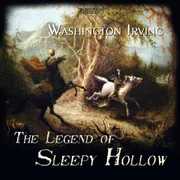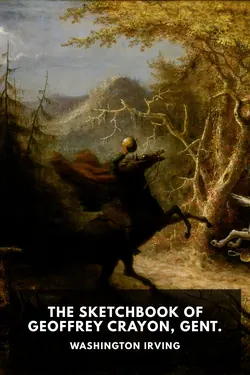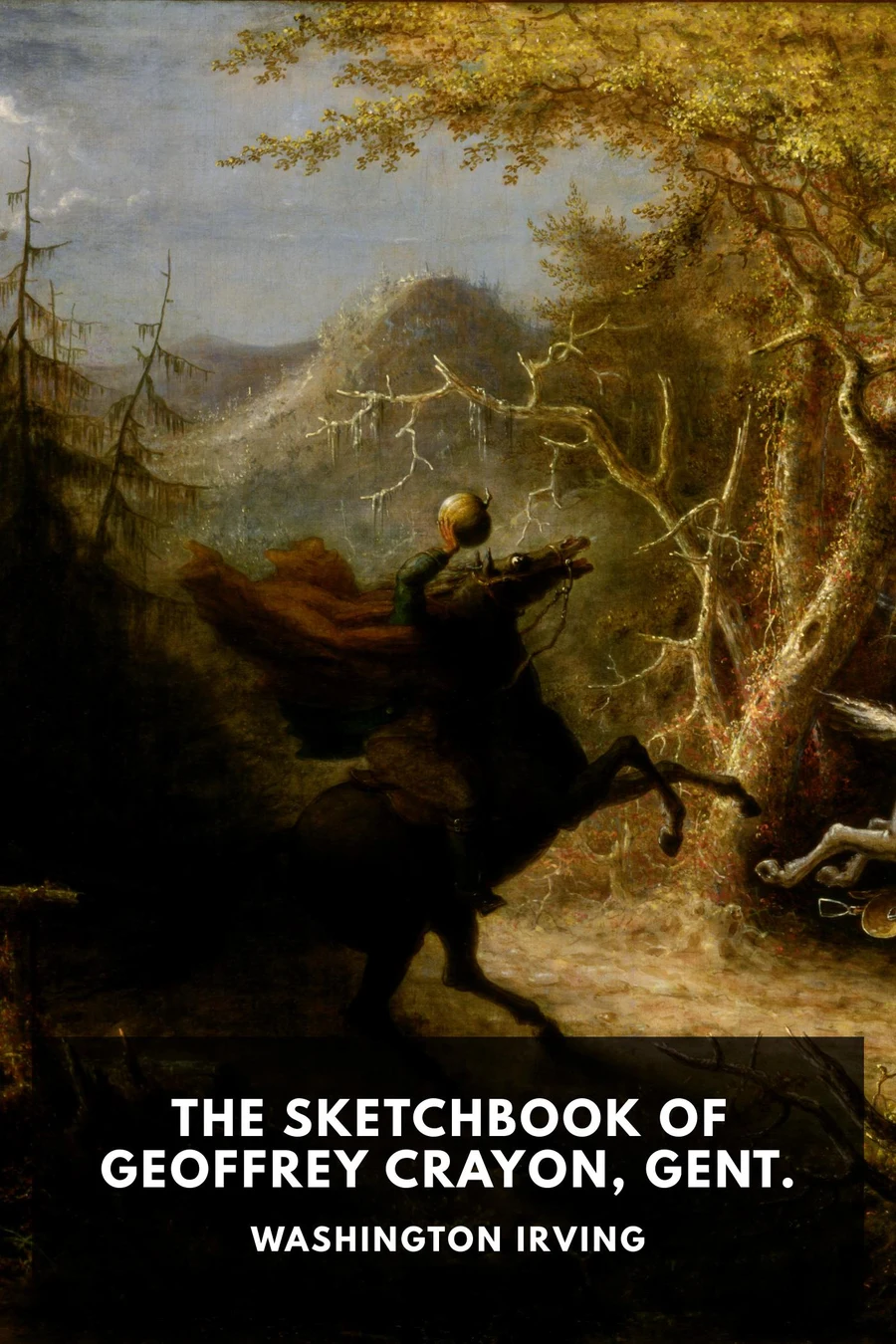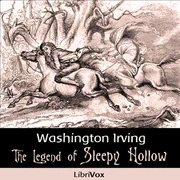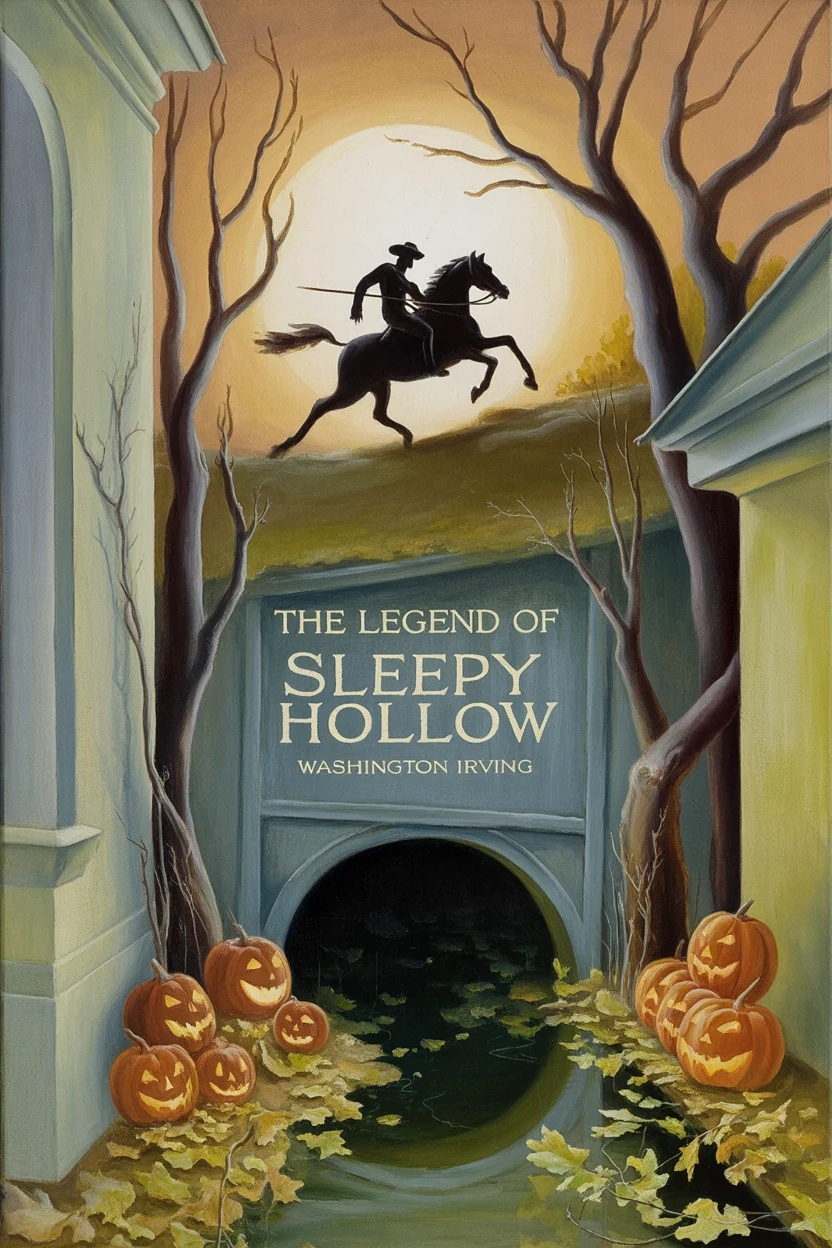
The Legend of Sleepy Hollow, published in 1820 as part of Washington Irving's collection "The Sketch Book of Geoffrey Crayon, Gent.," tells the tale of Ichabod Crane, a lanky and superstitious schoolteacher who arrives in the secluded Dutch settlement of Sleepy Hollow, New York. Crane becomes enamored with Katrina Van Tassel, the beautiful daughter of a wealthy farmer, and competes for her affection against the town's rowdy hero, Abraham "Brom Bones" Van Brunt. After attending a harvest party at the Van Tassel home, Ichabod rides home through the darkness and encounters the legendary Headless Horseman, a Hessian soldier said to haunt the area since losing his head to a cannonball during the Revolutionary War. The terrified schoolteacher vanishes that night, leaving behind only his hat and a shattered pumpkin, while Brom Bones soon marries Katrina and always seems suspiciously amused when the story is mentioned.
Irving's masterwork explores themes of superstition versus rationality, the conflict between outsiders and established communities, and the tension between old-world traditions and new American identity. The story brilliantly captures the atmospheric qualities of the Hudson Valley Dutch settlements while examining how folklore and legend shape community bonds and serve as tools of social control. Irving's richly detailed descriptions of autumnal New England landscape and his skillful blending of humor, horror, and ambiguity create an enduring mystery about whether the Headless Horseman was supernatural or merely Brom Bones in disguise.
The story holds immense significance as one of the first internationally successful works of American literature, helping establish a distinctly American literary voice separate from British traditions. Irving demonstrated that American settings, characters, and folklore could produce literature of genuine artistic merit. The tale has become a foundational piece of American Gothic literature and remains deeply embedded in popular culture, spawning countless adaptations in film, television, and literature. Its influence on Halloween traditions and its annual revival each autumn testify to its lasting power as both entertainment and a meditation on the mysteries that lurk in the shadows of American history and imagination.