The Door in the Wall
34 min
6,797 words
en
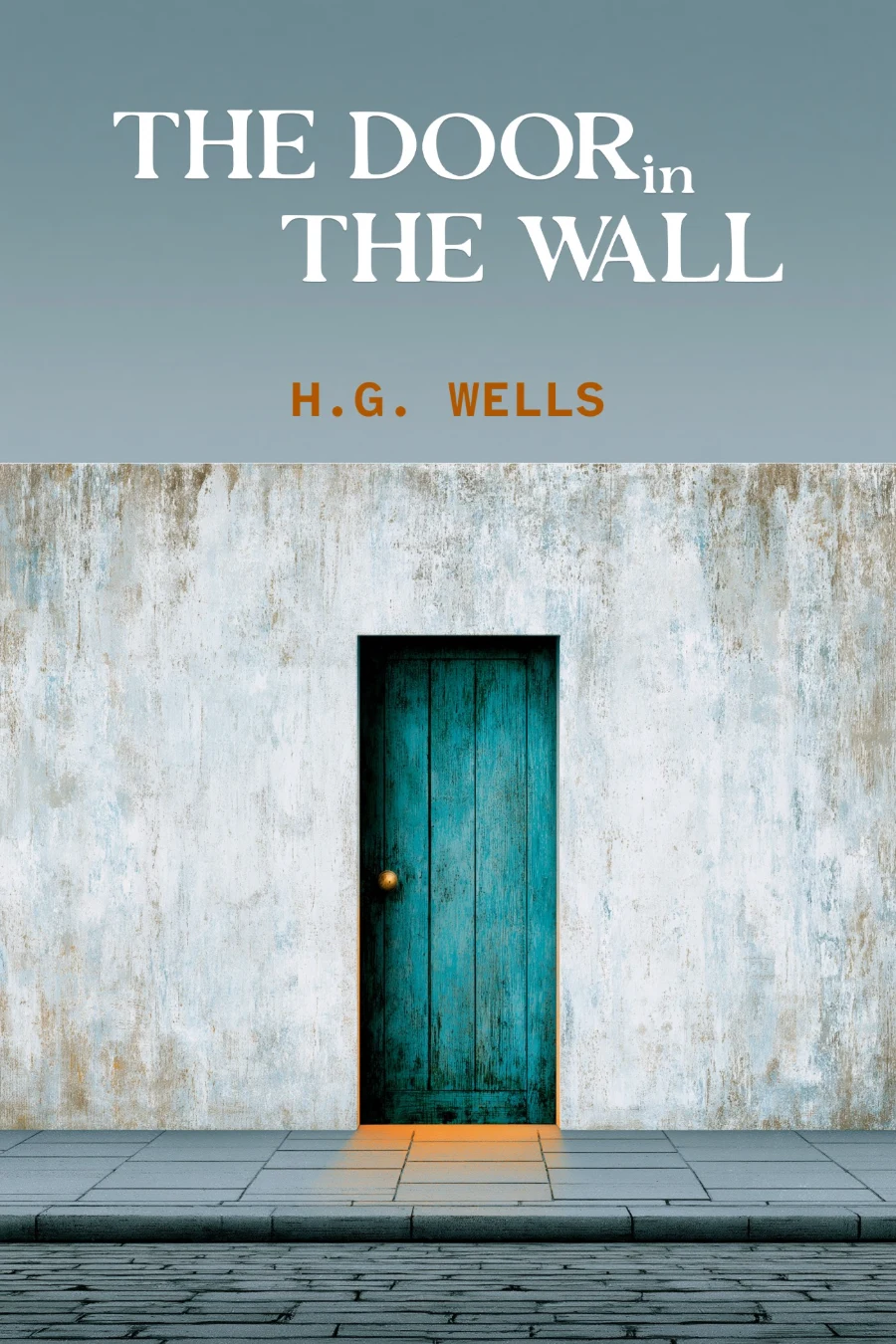
Lionel Wallace, a successful Cabinet minister at the height of his powers, tells a friend a story he has never told anyone. As a child of five, lost in the streets of West Kensington, he had pushed open a green door in a long white wall and walked into a garden where the air itself was different — tame leopards, ageless gardens, a woman who already knew his name. He stayed an afternoon; he returned to his ordinary world; the door was never in the same place twice afterwards. Three more times across the decades it has appeared to him — once on the way to the most important exam of his school career, once en route to a fateful political division, once on the eve of his cabinet appointment — and each time he has chosen the world he was supposed to want.
Wells published this in 1906, in a phase when he was turning from scientific romance toward the psychological short fiction that would influence Henry James, Borges, and the modern parable. The story holds its central image — the door, the garden, the missed chance — with a control that lets every reader pour their own renunciations into it. We never learn whether the garden is supernatural, hallucinated, or a metaphor the narrator is constructing in retrospect to explain his unease. Wells's restraint about the question is the entire achievement: every reading of the story is also a reading of the reader.
The Door in the Wall endures because it names something for which most literature has no precise word — the suspicion, growing through a successful life, that the path one rejected was the real one. It rewards readers drawn to the territory where the supernatural and the psychological become inseparable, who recognize the particular grief of a public success that feels private failure, and who can feel the cold opening at the end of a story that refuses to tell us what the green door really was.
PublisherKafka
LanguageEnglish
Source
short-fiction-h-g-wells