Animal Locomotion
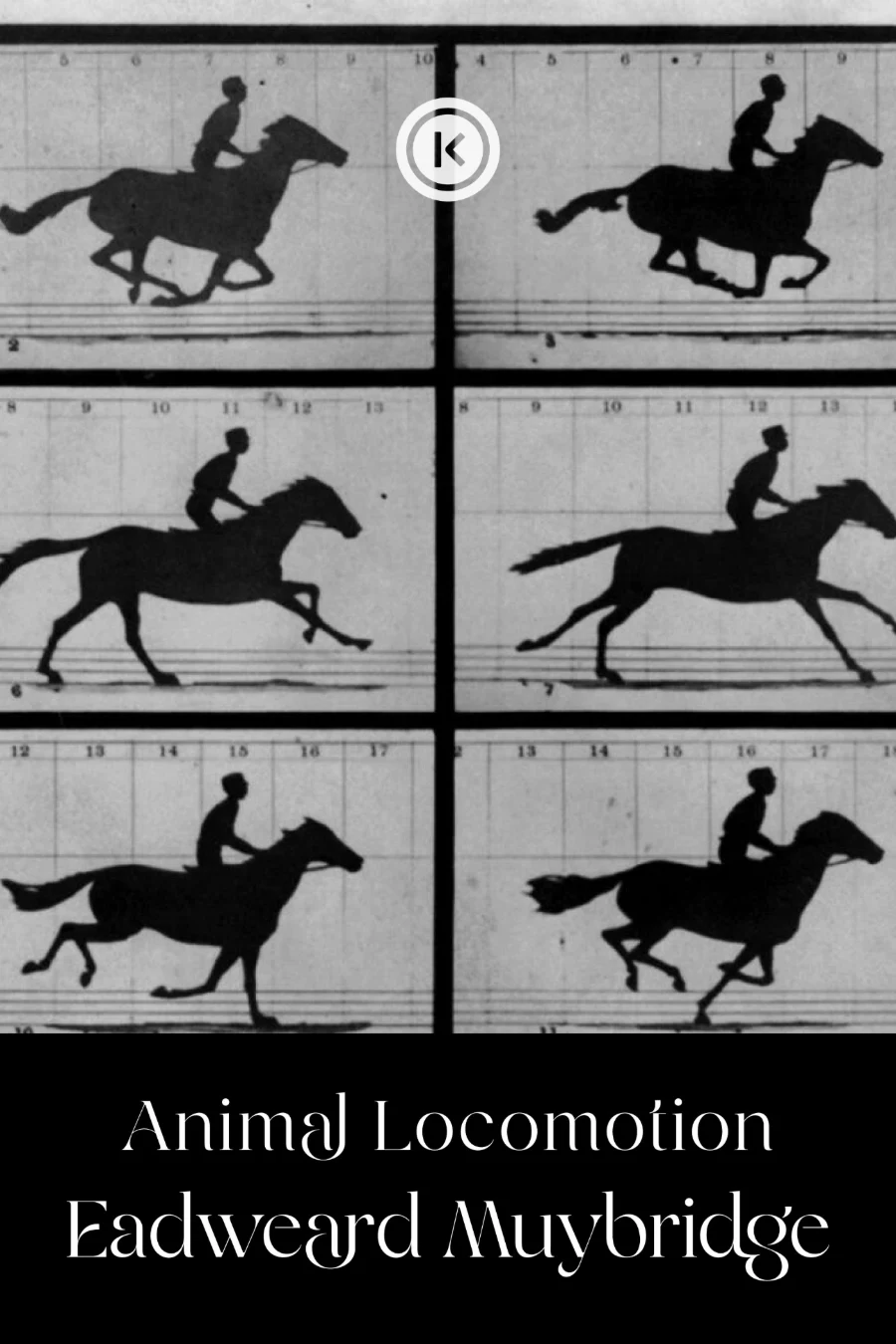
Ten landmark plates from Eadweard Muybridge's Animal Locomotion (1887) — the sequential photographs that revealed how bodies actually move and paved the way for cinema. In 1878, railroad magnate Leland Stanford hired Muybridge to settle a bet: does a galloping horse ever have all four hooves off the ground? Muybridge's cameras proved it does — and overturned centuries of artistic convention in the process. Painters had been wrong about how horses gallop, how humans walk, how birds fly. The 781 plates of Animal Locomotion, produced at the University of Pennsylvania, capture humans and animals in every conceivable motion: walking, running, jumping, climbing, boxing, pouring water. Each plate is a grid of sequential exposures that, flipped rapidly, produces the illusion of movement — the direct ancestor of cinema. Thomas Edison visited Muybridge's studio and built the Kinetoscope. These images remain uncanny: frozen instants of motion that reveal what the naked eye cannot see.