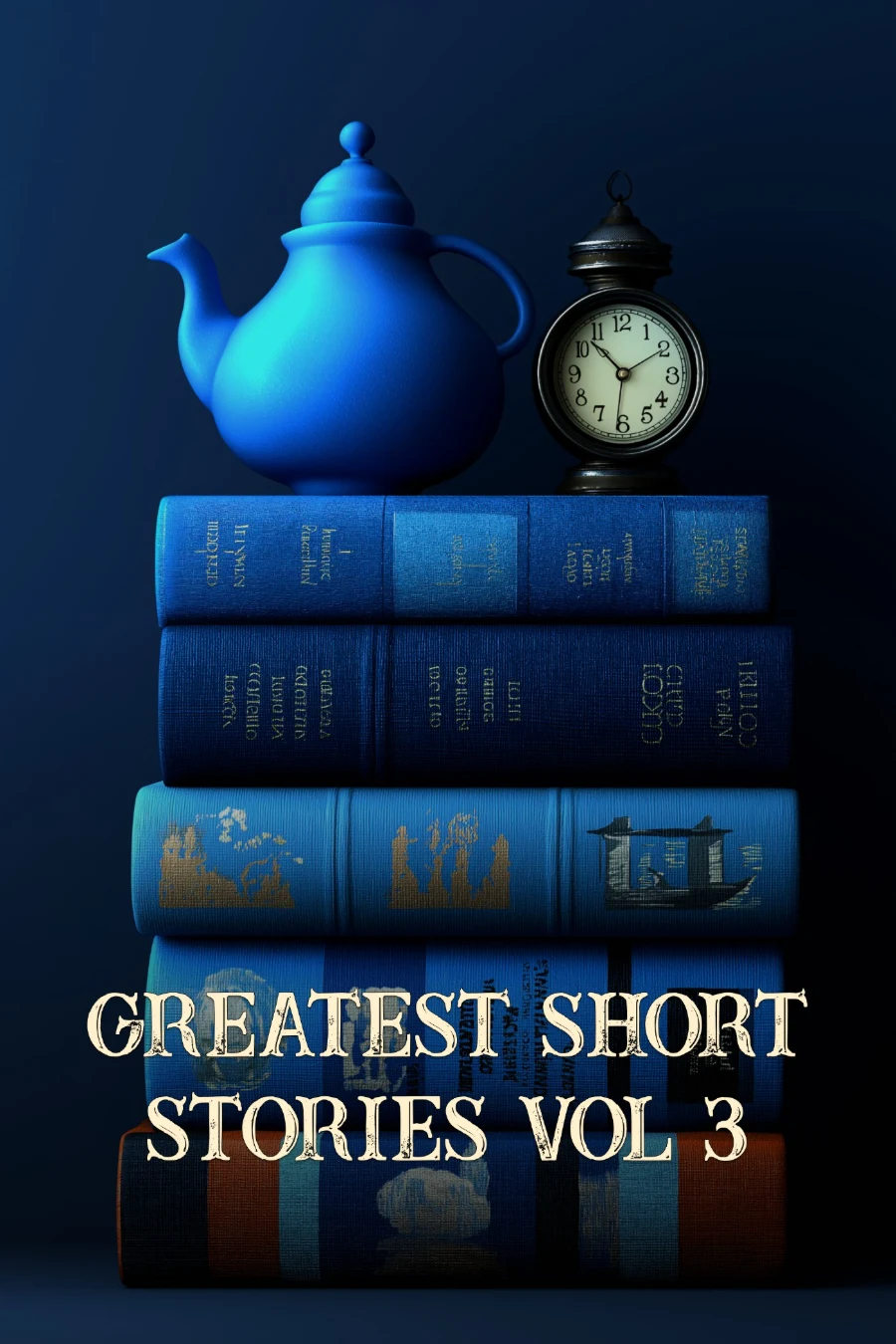
Greatest Short Stories 3
Greatest Short Stories is a classic anthology that brings together some of the most celebrated short fiction from renowned authors across different eras and literary movements. While various editions exist under this title from different publishers, these collections typically feature masterworks from writers such as Edgar Allan Poe, Guy de Maupassant, Anton Chekhov, O. Henry, Kate Chopin, and other luminaries of the short story form. The selections often span the 19th and early 20th centuries, showcasing the golden age of short fiction when literary magazines flourished and the short story emerged as a distinct and respected art form. Each story demonstrates the craft of condensed narrative, where authors must create fully realized worlds, complex characters, and meaningful revelations within limited space.
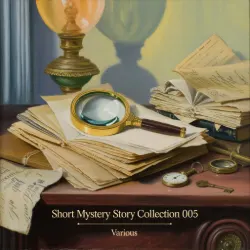
The anthology explores universal themes that transcend time and culture, including love and loss, human nature's light and dark sides, social class divisions, the complexity of moral choices, and the often ironic twists of fate. Stories range from psychological horror and mystery to social realism and romantic tragedy, offering readers a comprehensive survey of what the short story format can accomplish. The collection demonstrates how different authors approach narrative economy, using techniques like dramatic irony, unreliable narration, symbolism, and surprise endings to maximum effect.
The historical significance of such compilations cannot be overstated, as they have introduced generations of readers to the short story form and preserved works that might otherwise have been lost to time after their initial magazine publications. These anthologies served educational purposes in schools and universities while also providing entertainment for general readers. They helped establish the canon of short fiction and influenced countless writers who studied these masters of the form. For modern readers, Greatest Short Stories offers both a window into the concerns and styles of past eras and a demonstration of timeless storytelling techniques that remain relevant today, proving that great literature continues to resonate across generations despite changing cultural contexts.