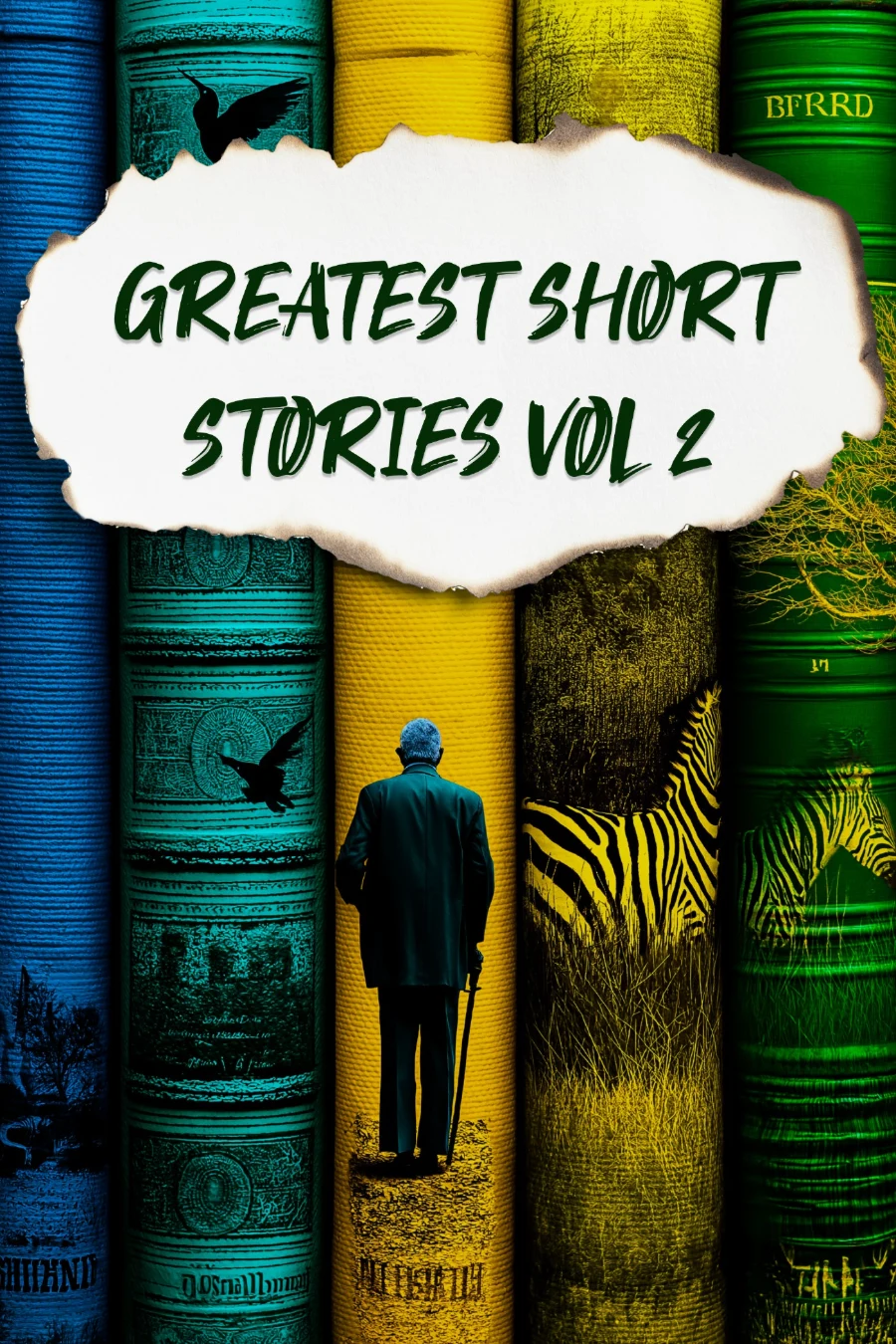
Greatest Short Stories is a collection that brings together some of the most celebrated and influential short fiction from literary masters across different eras and cultures. While various editions exist under this title from different publishers, these anthologies typically feature works from luminaries such as Edgar Allan Poe, Guy de Maupassant, Anton Chekhov, O. Henry, Kate Chopin, and other giants of the short story form. The collection showcases the remarkable diversity of the genre, spanning psychological thrillers, social commentaries, romantic tales, supernatural mysteries, and slice-of-life narratives that capture the human condition in its many facets. Each story demonstrates the unique power of short fiction to deliver complete emotional and intellectual experiences within a compact form.
The themes explored throughout these collections are as varied as human experience itself, touching on universal subjects like love and loss, ambition and defeat, social class and inequality, madness and rationality, and the complexity of moral choices. Stories like Poe's tales of psychological horror reveal the darkest corners of the human psyche, while Chekhov's narratives expose the quiet desperation and unfulfilled longings of ordinary people. O. Henry's trademark twist endings comment on fate and irony, and Maupassant's realistic portrayals shed light on human nature's contradictions. These works collectively demonstrate how the short story form became a vehicle for literary experimentation and social critique during the 19th and early 20th centuries.
The historical significance of such collections cannot be overstated, as they preserve and present the evolution of the short story from its emergence as a distinct literary form in the 1800s through its golden age. These anthologies serve as essential educational tools, introducing readers to the foundational techniques of narrative economy, characterization, and dramatic structure that influenced generations of writers. They matter because they showcase how master storytellers can create entire worlds, develop complex characters, and deliver profound insights within just a few pages, proving that literary impact is measured not by length but by depth and artistry.