Barlaam and Ioasaph
7h 7m
85,222 words
en
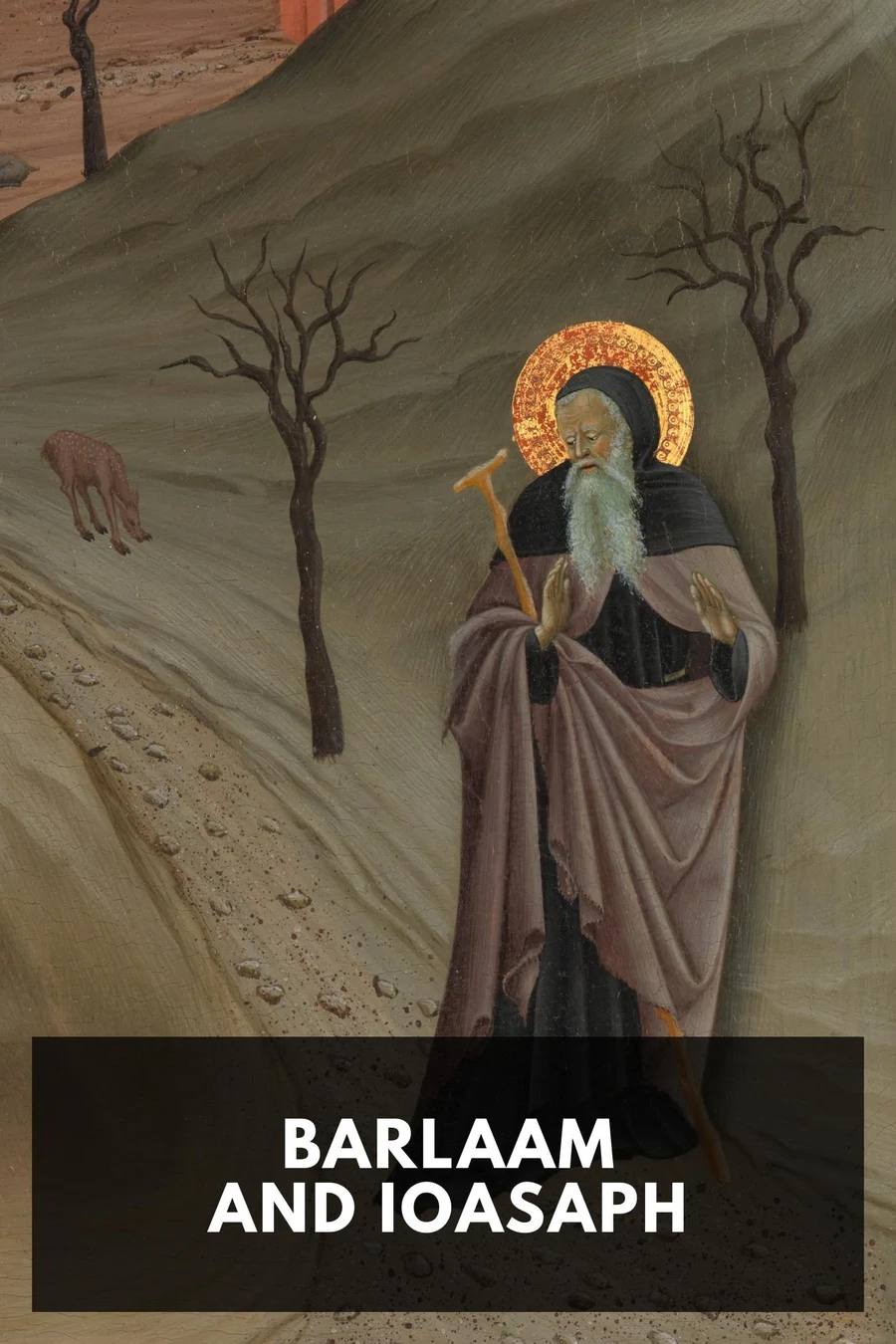
Barlaam and Ioasaph, a hagiographic novel, was one of the most popular literary works in medieval Europe. It depicts the life of a cloistered young prince named Ioasaph (more often spelled “Josaphat”), who is converted to Christianity by the monk Barlaam, before he undergoes several trials that test his newfound faith. Although Barlaam and Ioasaph teaches Christian doctrine and quotes extensively from the Bible and later Christian sources, its plot can be traced back to an ancient Buddhist text: the name “Ioasaph” is derived from the Sanskrit word bodhisattva, referring to beings in Mahayana Buddhist cosmology who delay personal liberation from the cycle of reincarnation in order to save others. Ioasaph’s depiction retains traces of the Buddha’s story, for example how both Ioasaph and the Buddha are sealed up in their palaces by their fathers before they venture into the world to encounter sickness, age, and death. Unaware that Barlaam and Ioasaph was fictional, much less derived from another religious tradition, medieval Europeans treated them as historical persons and canonized them in both the Eastern and Western churches. Barlaam and Ioasaph are still recognized as saints in the Catholic and Eastern Orthodox religious calendars.
PublisherStandard Ebooks
LanguageEnglish
CopyrightThe source text and artwork in this ebook are believed to be in the United States public domain; that is, they are believed to be free of copyright restrictions in the United States. They may still be copyrighted in other countries, so users located outside of the United States must check their local laws before using this ebook. The creators of, and contributors to, this ebook dedicate their contributions to the worldwide public domain via the terms in the [CC0 1.0 Universal Public Domain Dedication](https://creativecommons.org/publicdomain/zero/1.0/).