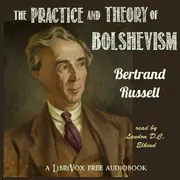
The Practice and Theory of Bolshevism
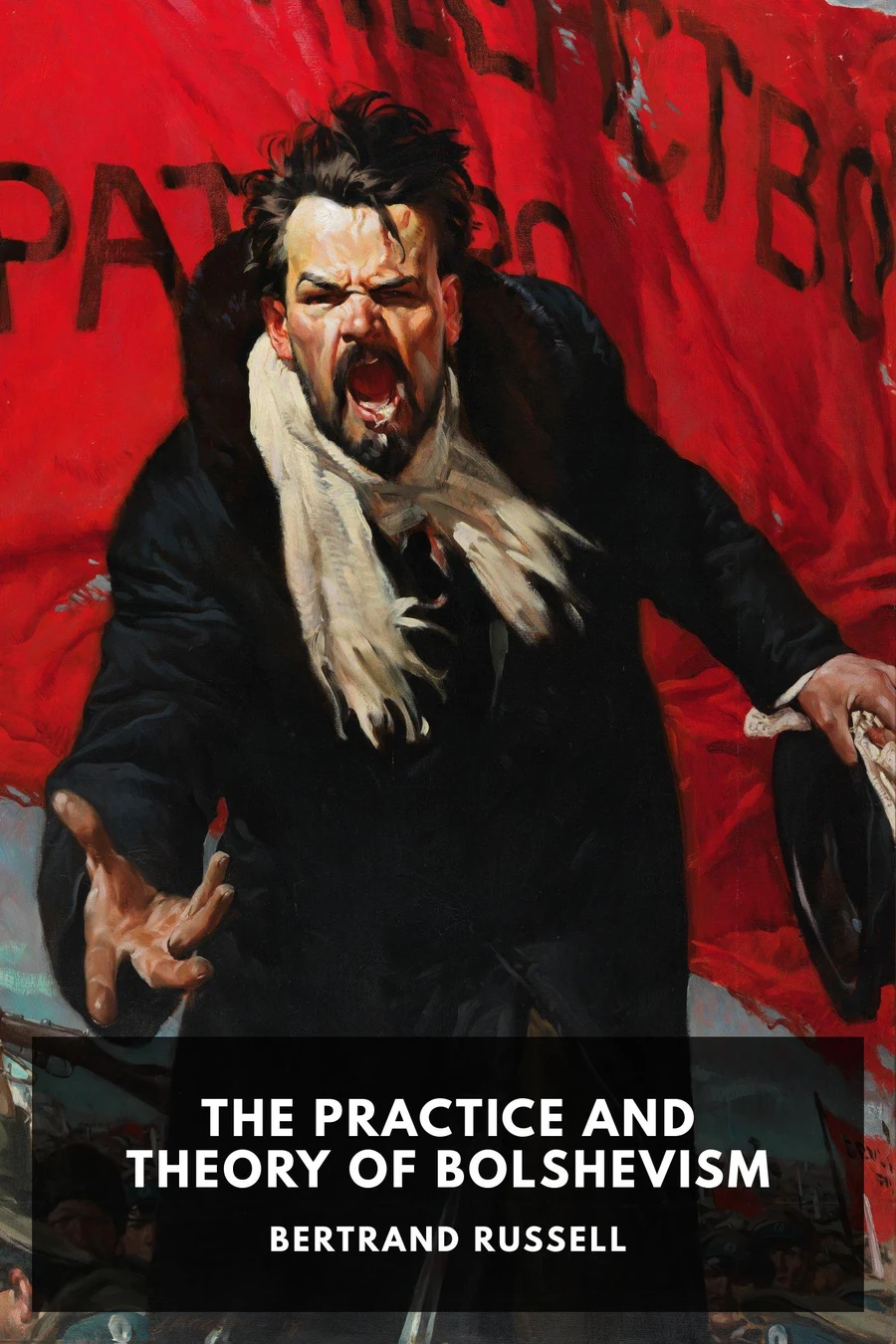
In 1920, British philosopher Bertrand Russell traveled to Russia with the British Labor Delegation to assess the aftermath of the Russian Revolution and the growth of the inchoate socialist republic. Wracked by civil war and an oppressive trade blockade, Russia has descended into starvation, industrial failure, and civil unrest. In response, the Bolsheviks have resorted to austere methods to maintain social order and suppress perceived counterrevolutionary activity. Russell had previously described his thoughts on socialism in Roads to Freedom and expressed concern that Marxism would give too much power to the state. In The Practice and Theory of Bolshevism, Russell details his trip through Petrograd, Moscow, and the Russian countryside, and his interactions with Lenin and other prominent Soviet leaders. The second half of the book describes Russell’s critiques of Bolshevik fanaticism and the conditions he believes are necessary for the success of communism. An alternative account of the British Labor Delegation from the Russian perspective can be found in Alexander Berkman’s The Bolshevik Myth.