Critique of Practical Reason
Translated by Thomas Kingsmill Abbott
5h 14m
62,609 words
en
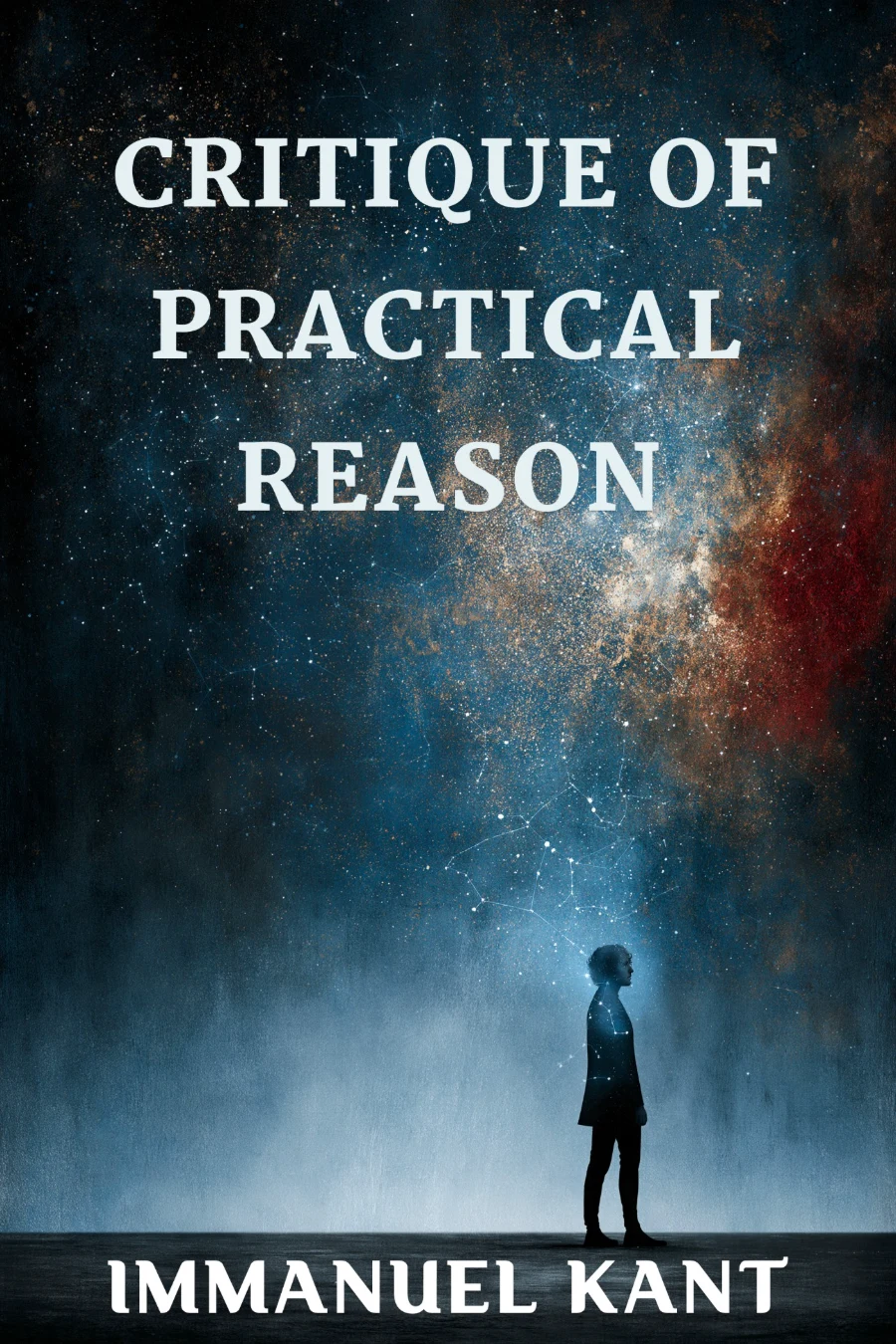
The *Critique of Practical Reason* completes the ethical project begun in the *Groundwork* by giving it a critical foundation. Kant argues that pure reason can be practical — that it can determine the will directly through the moral law — and derives the autonomy of freedom from this fact. The Dialectic explores the highest good (the summum bonum) and the postulates of God and immortality required to make moral striving rational. The Critique closes with one of philosophy's most famous lines: "Two things fill the mind with ever new and increasing admiration and awe... the starry heavens above me and the moral law within me."