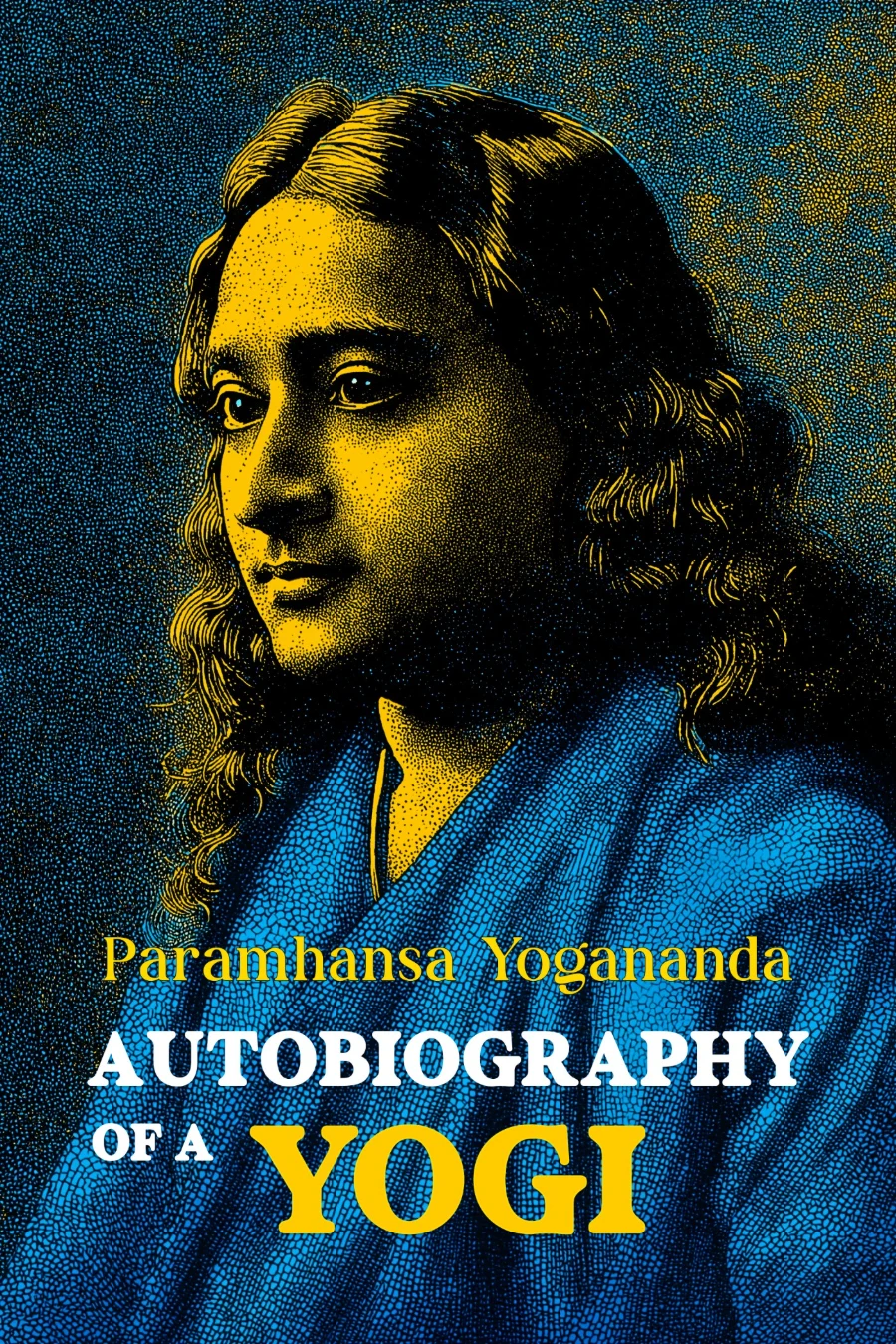
Autobiography of a Yogi
A young boy in colonial India discovers that the world around him operates according to laws far different from those taught in British schools. Saints materialize in physical form, fragrance fills rooms without source, and the boundary between life and death proves less fixed than modern science would suggest. Born into a devout Bengali family, this seeker confronts a fundamental tension: how to honor his spiritual yearning while meeting the conventional expectations of education, career, and social responsibility. His quest is not for worldly success but for direct experience of the divine—and for a teacher who can guide him beyond intellectual understanding into lived realization.
What makes this spiritual autobiography distinctive is its calm, matter-of-fact tone when describing events that defy ordinary reality. Yogananda writes with the precision of a scientist and the devotion of a mystic, never asking readers to take anything on faith alone. He grounds even his most extraordinary encounters in sensory detail and psychological observation. The narrative moves between intimate personal struggles—family resistance, moments of doubt, the comedy of a young man's impatience—and encounters with remarkable figures who embody varying approaches to the spiritual path. Throughout, there's an underlying argument that mystical experience follows consistent principles, that the miraculous is simply natural law not yet widely understood.
The book offers not just one man's story but a systematic introduction to yogic philosophy, presented through lived experience rather than abstract doctrine. Chapters unfold as parables, each illuminating different aspects of consciousness, meditation, and the guru-disciple relationship. The voice remains approachable and often surprisingly humorous, even while discussing profound metaphysical concepts.
This endures as a bridge text—written in English for Western readers by someone who stood between two worlds, able to translate Eastern mysticism into the language of modern seekers. It rewards readers drawn to the intersection of spirituality and autobiography, those hungry for accounts of transformation that feel both intimate and universal, and anyone willing to consider that reality might be far stranger and more wondrous than conventional wisdom allows.