Almayer’s Folly
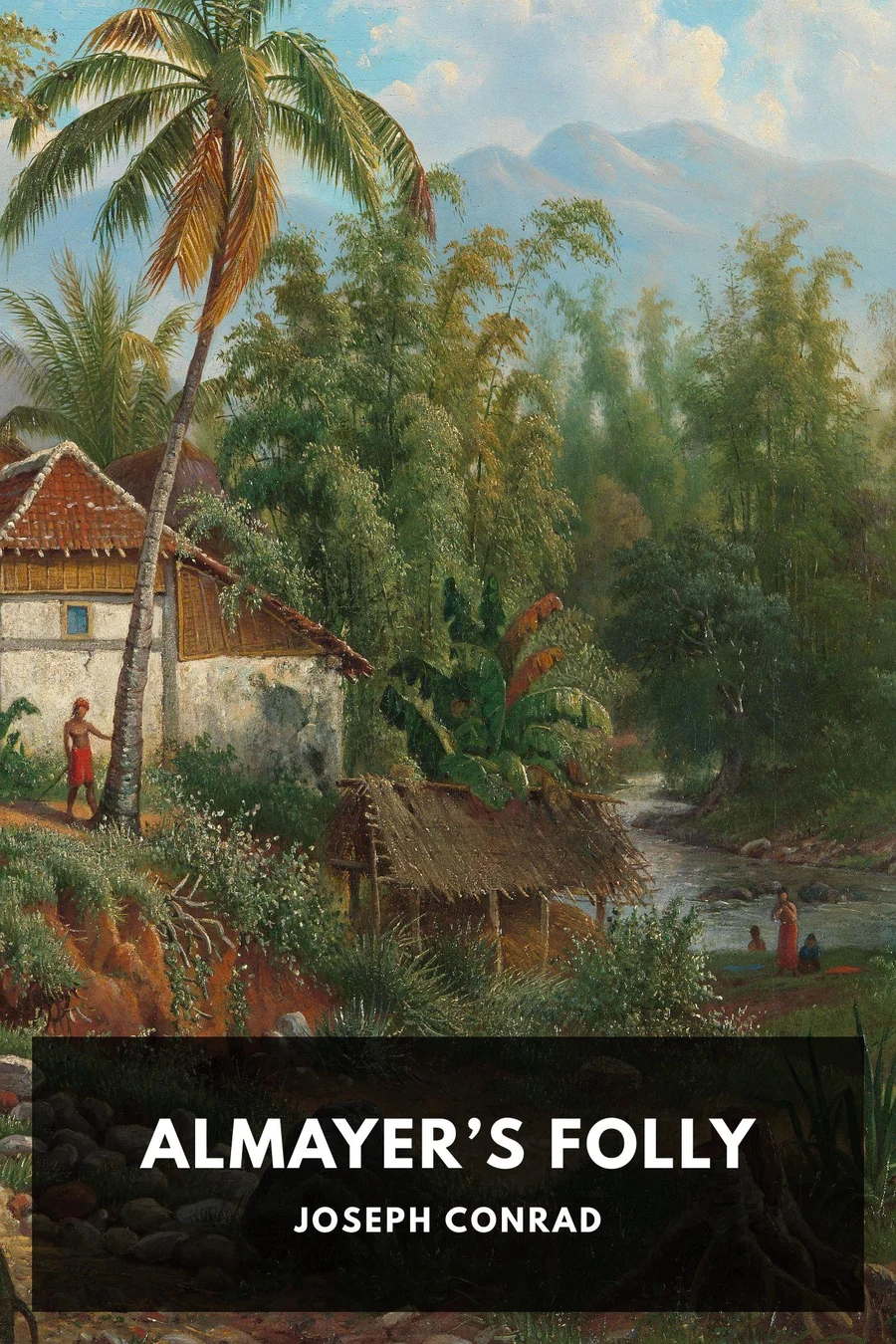
Kaspar Almayer is a Dutch trader whose career has stalled. He finds himself in a riverside village in the jungles of East Borneo with his estranged Malay wife, their beautiful daughter Nina, and a lavish but unfinished house the village has dubbed “Almayer’s Folly.” Kaspar dreams of becoming rich enough to free himself from the backwater village and take Nina to Europe. Rumors of gold deposits in the depths of the jungle delude him into thinking he’s close to achieving that dream, and with the arrival of a rajah’s son who’s willing to join Kaspar in his get-rich-quick scheme, the plot is kicked into motion. Almayer’s Folly is notable for being Joseph Conrad’s first novel, published in 1895 after six years of casual writing and just one year after he ended his maritime career. For this book, Józef Konrad Korzeniowski adopted the pen name by which he would later be known as a master of the English language. The book is based on Conrad’s experience as a seaman in the British merchant navy and his travels to Indonesia. Both the book’s titular character and the riverside village have their counterparts in real-life. While critics argue that Almayer’s Folly isn’t as good as Conrad’s more famous works, the book introduces themes which he often returns to in his writing career, including colonialism, the clash of East and West, and the dominant forces of Nature.