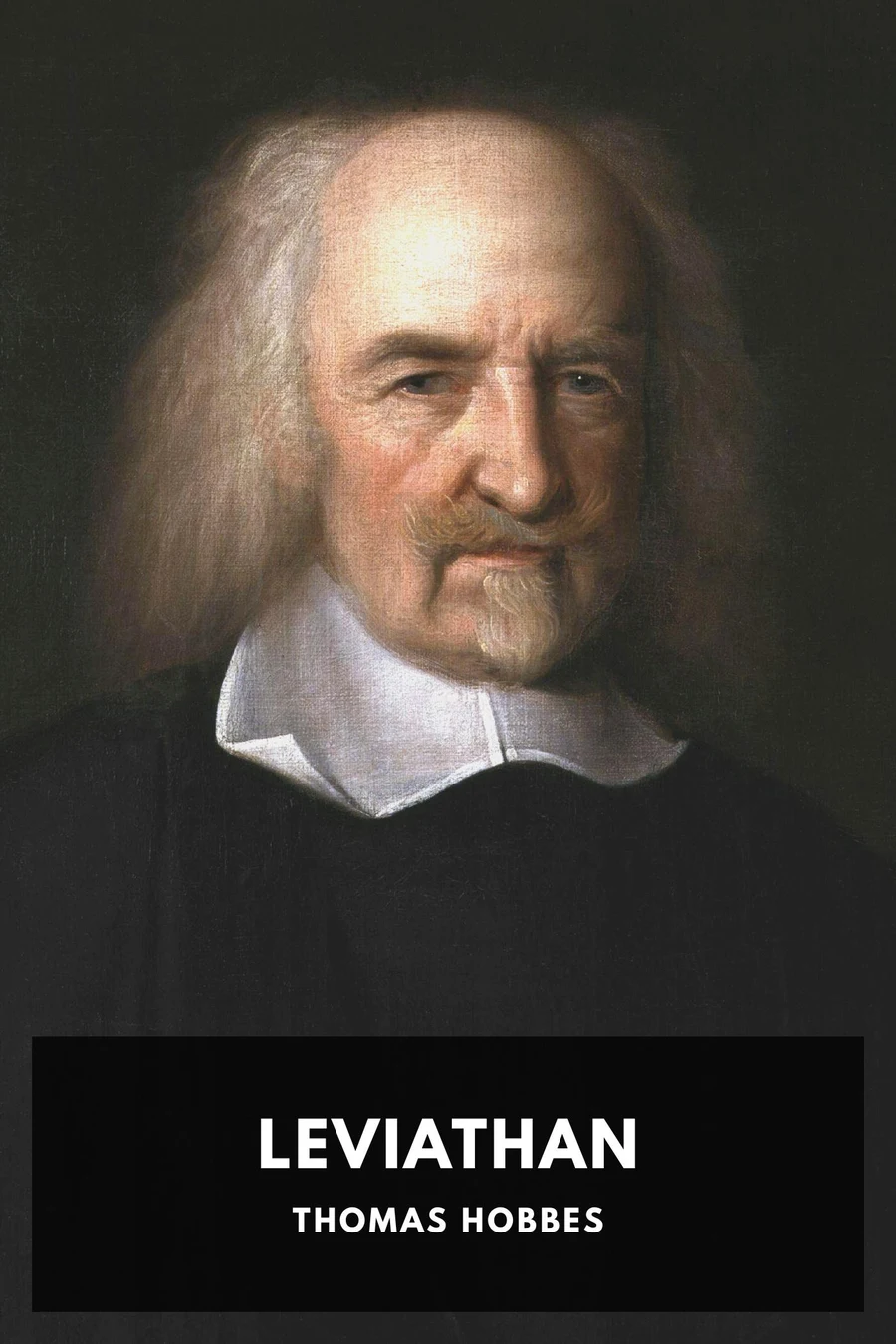
Leviathan
17h 21m
208,131 words
en
Leviathan is a foundational text in political philosophy that explores the structure of society and legitimate government. Hobbes uses the metaphor of the Leviathan, a sea creature from biblical lore, to represent the powerful state that arises from the collective agreement of individuals. He argues that in a state of nature, humans are driven by self-interest and are in constant conflict, leading to a life that is “solitary, poor, nasty, brutish, and short.” To escape this chaos, individuals come together to form a social contract, agreeing to cede certain freedoms to a sovereign authority in exchange for security and order. Hobbes’s political theory is grounded in a materialist view of human nature, which posits that humans are motivated primarily by fear and self-preservation. He emphasizes the importance of a strong, centralized authority—whether a monarch or an assembly—to maintain peace and prevent the descent into anarchy. This sovereign power must be absolute to effectively control the inherently aggressive tendencies of human beings. The book challenges the divine right of kings and provides a secular justification for political authority, arguing that the legitimacy of the state derives from its ability to provide security rather than divine sanction. Throughout, Hobbes engages with various philosophical and theological ideas, addressing the nature of human beings, morality, and the role of religion in society. He argues that civil laws should be based on social contracts rather than religious dictates, advocating for a separation between church and state. Hobbes’s work laid the groundwork for later political theories, influencing thinkers such as Locke and Rousseau. Its enduring relevance in discussions about governance, individual rights, and the balance between liberty and security continues to resonate in contemporary political discourse.
Non-FictionPhilosophyPolitical SciencePolitical PhilosophyBritish Philosophy17th CenturyClassical LiteratureWestern PhilosophySocial Contract
PublisherStandard Ebooks
LanguageEnglish
Source
CopyrightThe source text and artwork in this ebook are believed to be in the United States public domain; that is, they are believed to be free of copyright restrictions in the United States. They may still be copyrighted in other countries, so users located outside of the United States must check their local laws before using this ebook. The creators of, and contributors to, this ebook dedicate their contributions to the worldwide public domain via the terms in the [CC0 1.0 Universal Public Domain Dedication](https://creativecommons.org/publicdomain/zero/1.0/).