The Hunchback of Notre-Dame
Translated by Isabel F. Hapgood
Victor Hugo's sweeping 1831 novel of medieval Paris — the beautiful Romani dancer Esmeralda, the tortured archdeacon Claude Frollo, the deformed bell-ringer Quasimodo, and the great cathedral that binds their fates. A tale of obsession, compassion, and the struggle between beauty and cruelty set against the vivid spectacle of fifteenth-century Paris.
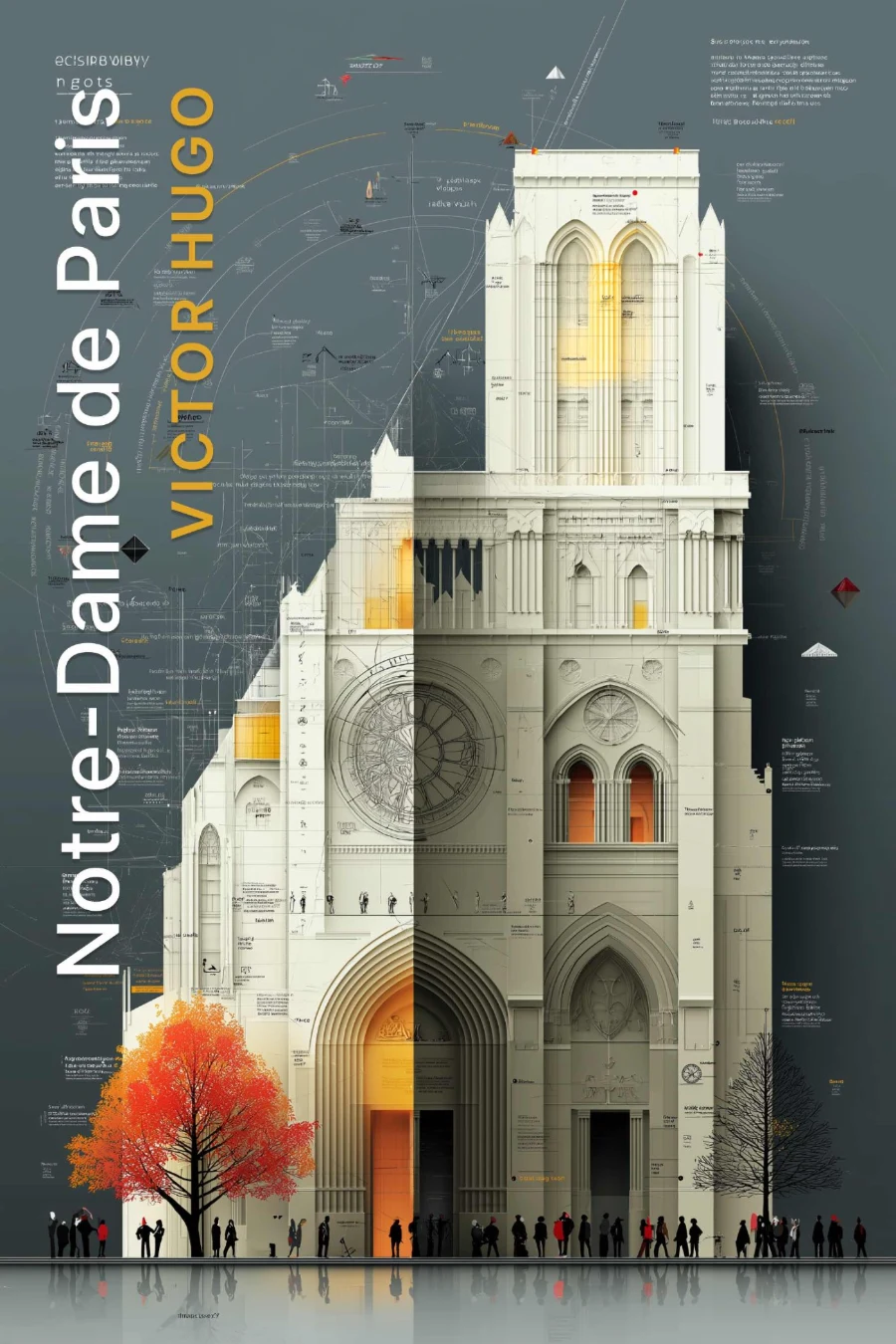
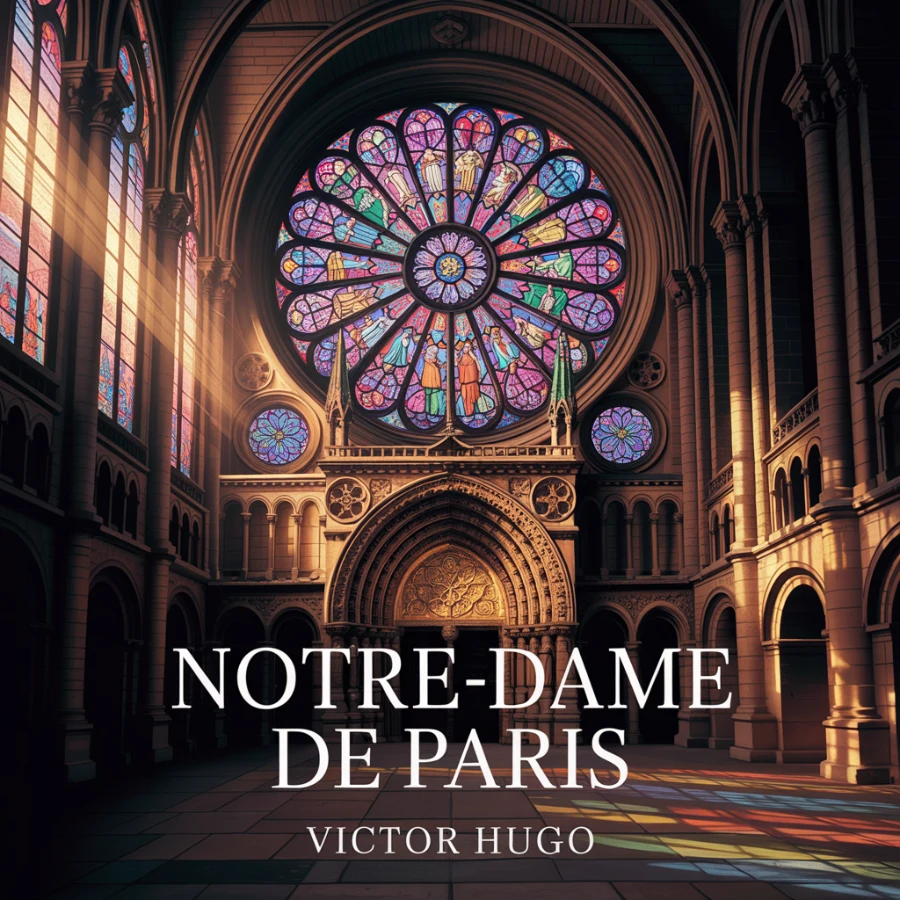
Medieval Paris rises from the page in all its teeming chaos—a city where gilded processions and public executions compete for attention, where the soaring cathedral of Notre-Dame casts its shadow over a labyrinth of narrow streets filled with beggars, scholars, and thieves. At the heart of this world stands the cathedral itself, both sanctuary and prison, where the deformed bell-ringer Quasimodo lives in isolated devotion to the bells and to the archdeacon who raised him. When a beautiful street dancer named Esmeralda captures the attention of priest and outcast alike, the fragile equilibrium of their cloistered existence shatters, setting in motion a series of obsessions that will entangle everyone in their orbit.
Hugo constructs a world where architecture itself becomes a character—the cathedral's towers and gargoyles serve as silent witnesses to human folly, its stones holding centuries of memory even as the flesh-and-blood characters below struggle with desire, jealousy, and the brutal judgments of their society. The novel moves between intimate psychological portraits and sweeping panoramas of crowd behavior, from mob violence to festival revelry. What emerges is a meditation on how society creates and punishes outsiders, whether through physical deformity, ethnic prejudice, or the dangerous combination of beauty and powerlessness. Hugo's prose alternates between tender scenes of unexpected connection and harsh exposures of institutional cruelty, always returning to the question of what civilization builds—and what it destroys.
This is a novel for readers willing to immerse themselves in historical texture and digression, including Hugo's passionate arguments about Gothic architecture and his intricate reconstructions of fifteenth-century Parisian life. Those who appreciate fiction that grapples with social justice through individual stories, who can surrender to a narrative that values atmosphere and idea as much as plot, will find themselves rewarded by a work that refuses to look away from either sublime beauty or crushing injustice.