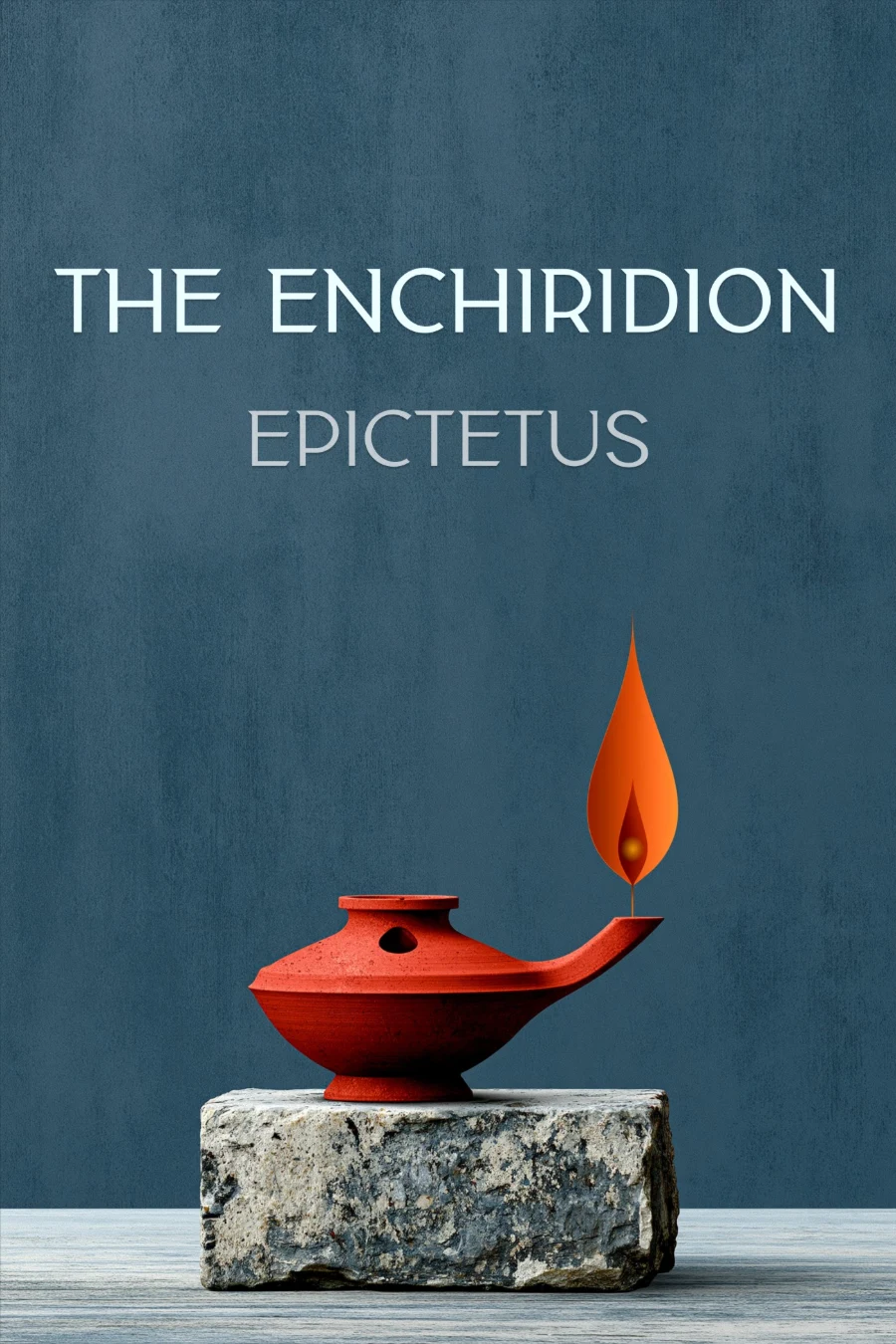
The Enchiridion
48 min
9,463 words
en
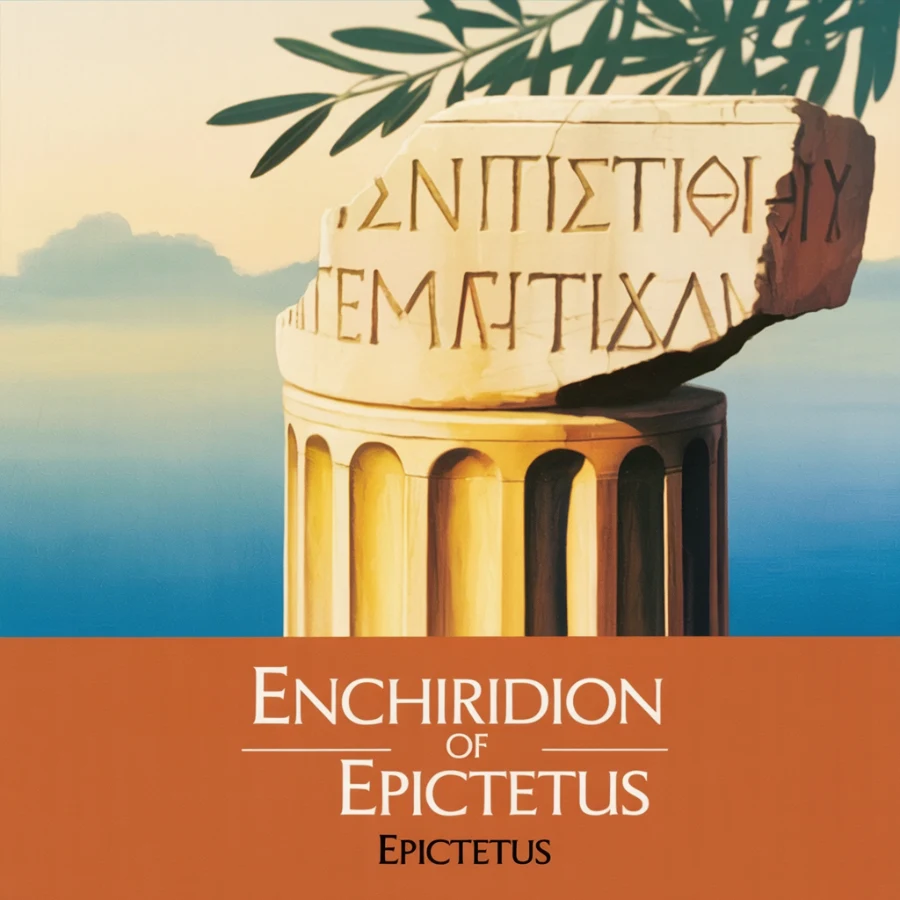
If Seneca's letters are leisurely conversations by candlelight, Epictetus's Enchiridion is a pocket weapon. The title means "handbook" — fifty-three short maxims, distilled by Epictetus's student Arrian from his teacher's lectures, on what a person must do to remain free under any circumstance. It is the most compact statement of Stoic practice ever assembled, designed to be carried, memorised, returned to.
Epictetus was born a slave, freed in middle age, and lectured to packed rooms in his later years; the maxims have the directness of someone who has lived the doctrine rather than merely studied it. The opening line — "Some things are in our control and others are not" — sounds simple until you realise it dissolves most of what we usually call problems. Elizabeth Carter's 1758 translation, the first English version by a woman classicist and a friend of Samuel Johnson, has shaped how the English-speaking world has read Epictetus for more than two and a half centuries.
What you encounter here is not theory but instruction: how to receive an insult, how to think about the death of a child, what posture to take toward unfair treatment, how to attend a dinner party. The prose has the compressed quality of advice that has been tested. Most readers come back to it. Marcus Aurelius did; so did the prisoners of war who memorised it during the twentieth century. Slow reading and re-reading is the form of attention it asks for.